


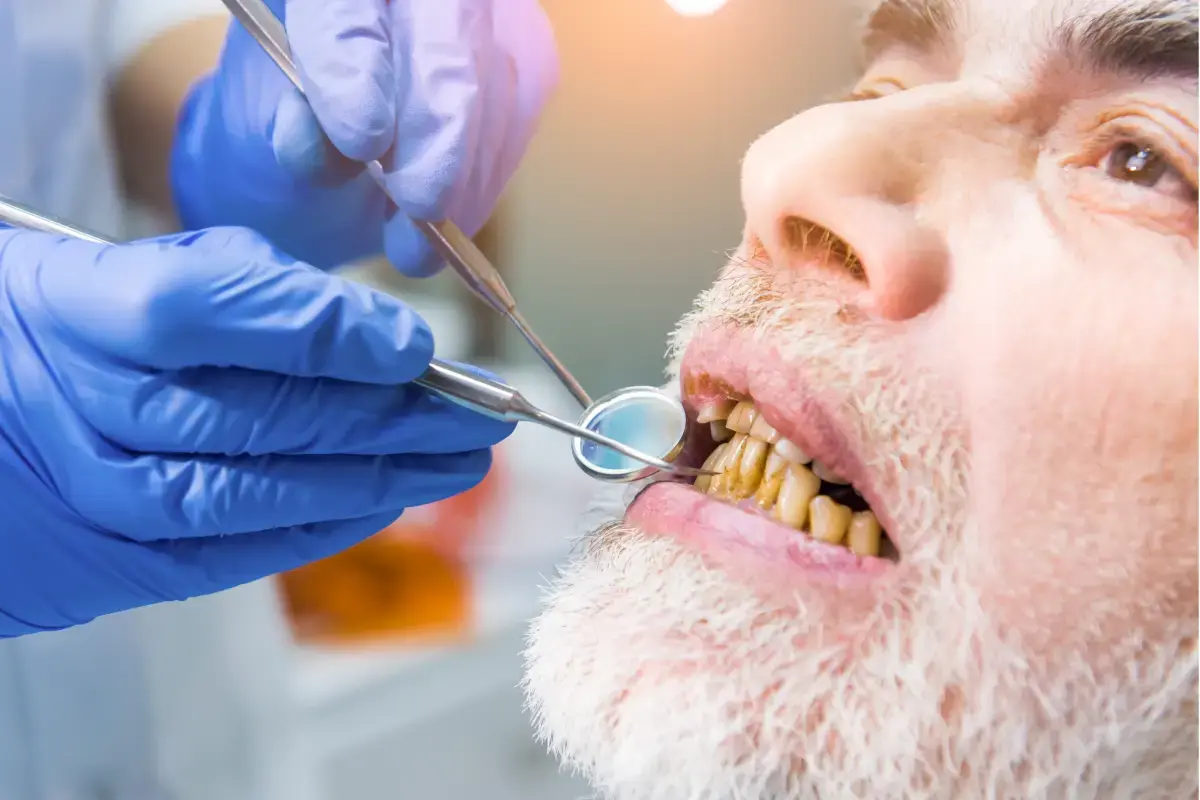
Noticing a black spot on your tooth can be alarming, especially if it seems to have appeared suddenly. Sometimes the spot is simply a surface stain. In other cases, it can be a sign of tooth decay or another dental problem that needs attention.
The appearance of the spot can provide some clues, but you cannot always tell the cause just by looking at it. Here are some common reasons a tooth may develop a dark or black area.
What Can Cause a Black Spot on a Tooth?
Tooth Decay
One of the more important causes to consider is tooth decay. As a cavity develops, the affected area can change from white or brown to darker shades as the tooth structure breaks down.
A black spot does not automatically mean you have a cavity, but decay becomes more concerning when the spot appears alongside sensitivity, discomfort, food getting stuck, or a visible hole.
Surface Stains
Coffee, tea, red wine, tobacco, and certain foods can leave dark stains on teeth. These stains usually affect the outer surface rather than the deeper tooth structure.
Good brushing and professional cleanings can help remove many surface stains. If the discoloration remains, a dental professional can determine whether something deeper is responsible.
Tartar Buildup
Plaque that remains on the teeth can harden into tartar. Tartar may appear yellow, brown, or even dark in areas where it has accumulated.
Because tartar cannot be removed safely with regular brushing, trying to scrape it away yourself can damage your gums or enamel. Professional cleaning is a safer approach.
A Damaged Tooth
A tooth that has experienced trauma can sometimes become darker over time. This can happen when the inner portion of the tooth is affected.
If one tooth suddenly becomes noticeably darker, particularly after an injury, it is worth having it examined even if there is no pain.
An Older Filling or Dental Restoration
Certain older dental restorations can develop dark edges or discoloration over time. A dark area around a filling does not necessarily mean the tooth has developed new decay, but your dentist can check whether the restoration and surrounding tooth remain healthy.
How Can You Tell if a Black Spot Is a Cavity?
There is no reliable way to diagnose a cavity based only on its color. Dentists consider the location, texture, symptoms, and condition of the surrounding tooth. In some cases, dental X rays may also be needed to identify decay that cannot be seen from the surface.
If you notice a new dark spot, getting it checked can give you a clearer answer instead of trying to determine the cause at home.
Can You Remove a Black Spot at Home?
Avoid picking, scraping, or using abrasive products to remove a dark spot. These approaches may damage enamel or irritate your gums without addressing the actual cause.
Continue brushing twice a day with fluoride toothpaste, clean between your teeth daily, and limit frequent sugary snacks and drinks. If the spot does not disappear or continues to change, professional evaluation is the next step.
When Should You See a Dentist?
Make an appointment if the black spot is new, getting larger, or accompanied by tooth sensitivity, pain, swelling, bad breath, or discomfort when chewing. Prompt attention can help identify the cause and determine whether treatment is necessary.
If you need help understanding a change in your tooth, you can learn more about your dental care options before deciding on your next step.
Do Not Ignore a Change in Your Tooth
A small dark spot may be harmless, but it can also be an early sign that a tooth needs attention. If you are looking for dental care in Silver Spring, Aspen Hill General and Cosmetic Dentistry can examine the area and help you understand what is causing the discoloration.
When you are ready to take a closer look at your smile, schedule an appointment and find Aspen Hill General and Cosmetic Dentistry on the map.
FAQs About Black Spots on Teeth
1. Does a black spot always mean a cavity?
No. A black spot can result from staining, tartar, an old restoration, trauma, or tooth decay. A dental examination is the best way to determine the cause.
2. Can a cavity look black?
Yes. Tooth decay can become dark brown or black as it progresses, although color alone cannot confirm that a cavity is present.
3. Can brushing remove a black spot?
Brushing may help remove some surface stains, but it will not remove decay or hardened tartar. Avoid aggressive scrubbing because it can damage the tooth surface.
4. Is a black spot on a tooth an emergency?
Usually not, but it should not automatically be ignored. If the spot is accompanied by severe pain, swelling, facial swelling, or signs of infection, seek prompt dental care.