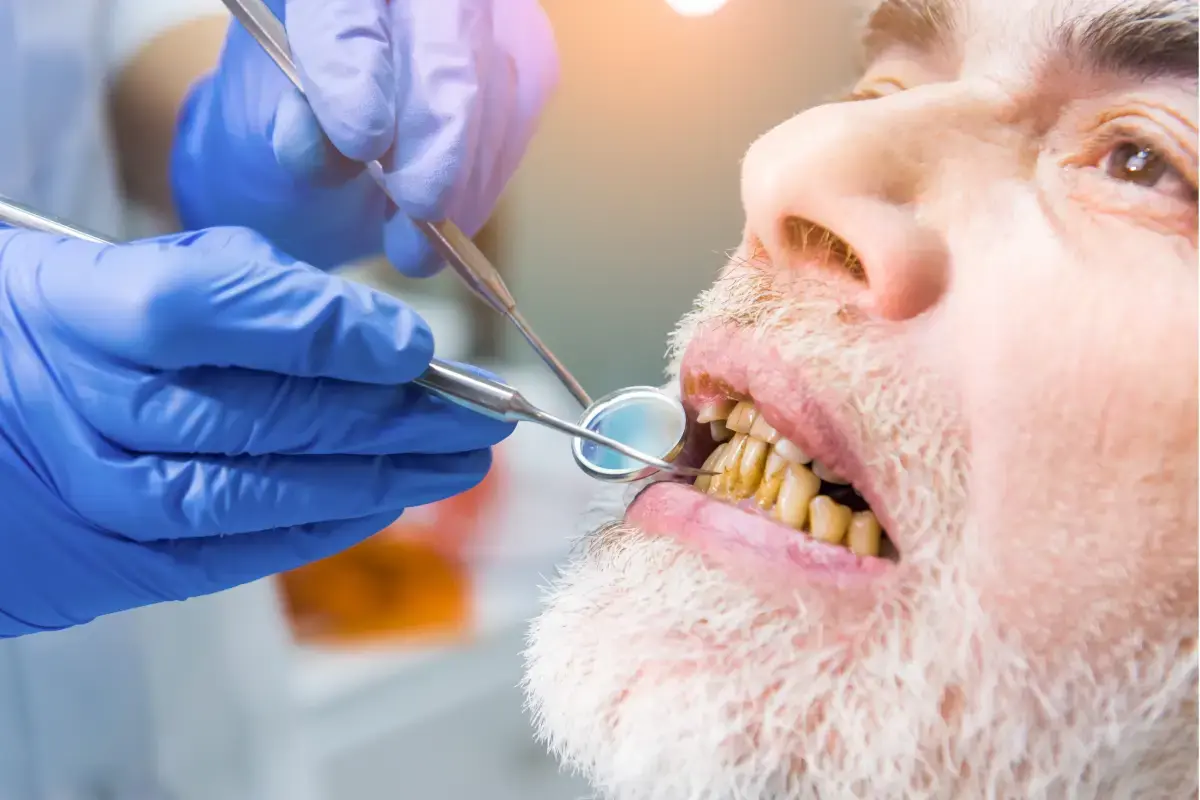

Brushing and flossing are important parts of maintaining a healthy smile, but what you eat every day also matters. Certain foods provide nutrients that help maintain strong teeth and healthy gums, while others can increase the risk of cavities and enamel damage.
So, does your diet affect your teeth? Absolutely. Your food choices influence saliva production, the bacteria in your mouth, and the minerals your teeth need to stay strong. A few thoughtful changes to everyday meals can make a meaningful difference.
How Does Your Diet Affect Your Teeth?
Every time you eat or drink something containing sugar, bacteria in dental plaque use those sugars to produce acids. These acids attack tooth enamel, gradually increasing the risk of decay.
Frequent snacking can make matters worse because your teeth experience repeated acid exposure throughout the day. Saliva helps neutralize these acids and supports the natural repair of early enamel damage. Understanding how poor oral hygiene can contribute to oral health problems can also help explain why daily habits matter for long term dental health.
For adults in Silver Spring, MD, understanding this connection can make choosing everyday meals easier.
Foods That Support Better Oral Health
You do not need an unusual diet to support healthy teeth. Many nutritious foods already provide the minerals and vitamins your mouth needs.
1. Dairy Products
Milk, plain yogurt, and cheese provide calcium and phosphorus, which help maintain strong teeth. Cheese also stimulates saliva production, helping wash away food particles and neutralize acids.
Choose plain yogurt without added sugar whenever possible.
2. Crunchy Fruits and Vegetables
Carrots, celery, apples, cucumbers, and broccoli provide fiber and water. Their texture encourages chewing and stimulates saliva production.
Leafy greens such as spinach and kale also provide nutrients that support healthy teeth and gums.
3. Protein Rich Foods
Eggs, fish, chicken, beans, and nuts provide protein and other essential nutrients. Fish can also supply vitamin D, which helps the body absorb calcium.
Almonds and other nuts offer minerals and make satisfying snacks when eaten in appropriate portions.
4. Water
Water helps rinse away leftover food and supports normal saliva production. Fluoridated tap water offers an additional benefit because fluoride helps strengthen enamel and protect against cavities.
Make water the primary beverage throughout the day.
Foods and Drinks Worth Limiting
Some foods deserve extra attention because of their effects on teeth.
- Sugary snacks: Candy, cookies, and sweetened cereals provide fuel for bacteria that produce enamel damaging acids.
- Soft drinks: Regular soda combines sugar and acidity, increasing the risk of cavities and enamel erosion.
- Sticky foods: Dried fruit and chewy candy can remain attached to tooth surfaces for longer periods.
- Acidic foods: Citrus fruits and acidic juices can temporarily soften enamel when consumed frequently.
You do not have to eliminate every treat. Try enjoying sweets with meals instead of snacking on them throughout the day. If teeth become uncomfortable after consuming sugary foods, understanding why tooth pain occurs when eating sweets can help identify possible underlying concerns.
Simple Eating Habits That Help Protect Your Smile
Small adjustments can make healthy choices easier.
- Include vegetables, protein, and calcium rich foods in regular meals.
- Drink water after eating sugary or acidic foods.
- Limit frequent snacking between meals.
- Choose unsweetened beverages whenever possible.
- Maintain consistent brushing and flossing habits.
An oral health specialist can also help identify dietary habits that may contribute to recurring dental concerns and suggest practical ways to address them. Regular professional visits and appropriate teeth cleaning intervals are also important for maintaining oral health.
Frequently Asked Questions
1. Can eating healthy foods prevent cavities?
Nutritious foods can support dental health, but they cannot completely prevent cavities. Brushing with fluoride toothpaste, cleaning between teeth, and regular dental visits remain important.
2. Are apples good for your teeth?
Apples contain water and fiber that stimulate saliva and encourage chewing. However, they also contain natural sugars and acids, so eating them as part of a balanced diet is a sensible approach.
3. Is cheese beneficial for teeth?
Yes. Cheese provides calcium and phosphorus and stimulates saliva production, which helps protect teeth against acid exposure.
Make Everyday Choices That Support a Healthier Smile
A healthy smile starts with consistent daily habits, including balanced meals, proper hydration, and good oral hygiene. If you have questions about how dietary choices affect dental health, the team at Aspen Hill General and Cosmetic Dentistry can provide practical guidance. Schedule an appointment and visit the practice in Silver Spring, MD to discuss ways to maintain healthy teeth and gums. You can also find directions to the dental office and plan your visit.