

Back teeth have deep grooves and pits on their chewing surfaces, which makes them great at breaking down food but also surprisingly hard to keep clean. Even kids with a solid brushing routine can struggle to reach every crevice, and that’s exactly where a lot of cavities tend to start. Dental sealants for kids offer a simple way to close off those hard-to-reach areas before decay has a chance to take hold.
At Aspen Hill General and Cosmetic Dentistry, dental sealant treatment is one of the most common preventive services we recommend for children, especially as their permanent molars begin to come in. It’s quick, comfortable, and can significantly reduce the risk of cavities by protecting the chewing surfaces that are hardest to clean. For many families, it’s a simple way to support healthier smiles for years to come.
Why Molars Are So Cavity-Prone
The back teeth, particularly the molars, have naturally uneven surfaces filled with narrow grooves. Toothbrush bristles often can’t fully reach into these tiny spaces, which means food particles and bacteria can settle in and stay there, even with regular brushing. Since these teeth also come in around the ages when kids are still developing their brushing skills, they end up being one of the most common places for cavities to form in childhood.
What a Dental Sealant Actually Is
A sealant is a thin, protective coating applied directly to the chewing surface of a back tooth. Once it’s painted on and hardened, usually with a special light, it creates a smooth barrier over those deep grooves, making it much harder for food and bacteria to get trapped and cause decay. The process itself is quick, doesn’t require any numbing or drilling, and most kids find it to be a completely painless part of their dental visit.
How Sealants Support Cavity Prevention for Kids
Sealants work by physically blocking off the areas most vulnerable to decay, rather than trying to treat a problem after it’s already developed. Research has consistently shown that sealed teeth develop significantly fewer cavities compared to unsealed ones, particularly in the years right after a child’s permanent molars first come in. Combined with regular brushing, flossing, and fluoride use, sealants add another layer of protection during a stage when kids’ oral hygiene habits are still developing.
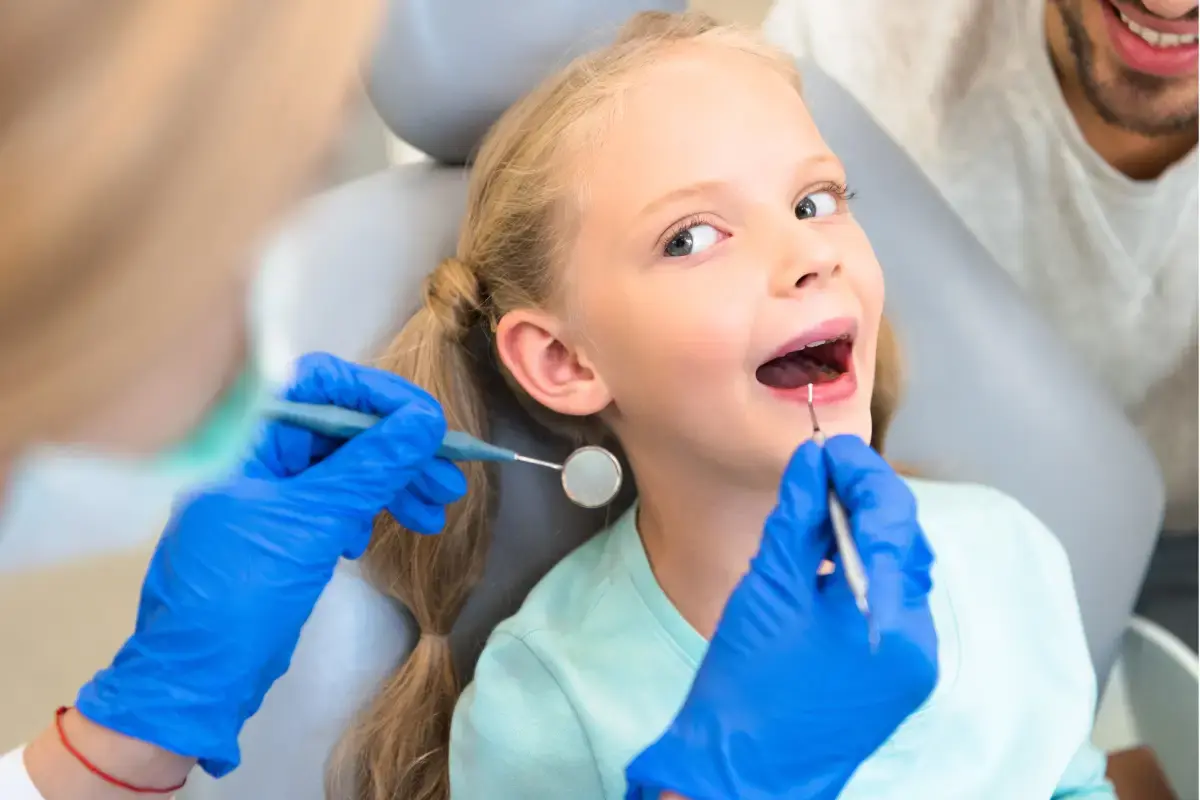
Wondering if your child could benefit from dental sealants? Contact us to schedule a preventive dental exam, we’ll evaluate your child’s teeth and recommend whether sealants are the right step to help prevent cavities.
When Sealants Are Typically Recommended
Sealants are most often applied to the first and second permanent molars, which usually come in around ages 6 and 12. Getting them sealed soon after they erupt gives the least amount of time for decay to develop before that protective layer is in place. That said, a dentist may also recommend sealants for baby molars in some cases, especially if a child has deep grooves or a higher cavity risk.
How Long Do They Last?
Sealants are quite durable and can last several years under normal chewing conditions, though they’re checked at regular dental visits to make sure they’re still intact. If a sealant chips or wears down over time, it can typically be touched up or reapplied fairly easily, without needing to redo the entire process from scratch.
Sealants Don’t Replace Good Habits
It’s worth mentioning that sealants are a helpful addition to a child’s oral care routine, not a replacement for brushing, flossing, and regular checkups. Even sealed teeth need proper care, and there are still plenty of tooth surfaces that sealants don’t cover, like the sides between teeth, which is why flossing remains just as important.
Protect Your Child’s Teeth Before Cavities Start
Dental sealants are a simple, effective way to protect your child’s molars from cavities during their most cavity-prone years. Combined with good brushing habits and regular dental visits, they can help reduce the need for future dental treatment. At Aspen Hill General and Cosmetic Dentistry, we’re proud to help families throughout Silver Spring, MD keep young smiles healthy with preventive care. Visit our Silver Spring dental office for a children’s dental checkup and find out if dental sealants are the right choice for your child.
FAQs
When should my child get dental sealants?
Dental sealants are typically recommended when the first permanent molars erupt, usually around age 6, and again when the second permanent molars come in around age 12.
Do dental sealants prevent cavities?
Dental sealants significantly reduce the risk of cavities by covering the deep grooves in molars where food particles and bacteria commonly collect. They work best when combined with good brushing, flossing, and regular dental checkups.
Is getting dental sealants painful?
No. Applying dental sealants is quick, comfortable, and completely painless. The procedure does not require drilling or numbing, making it an easy preventive treatment for children.
How long do dental sealants last?
Dental sealants can last several years with proper care. During routine dental visits, your dentist will check them for wear and reapply them if necessary to maintain protection.
Can my child still get cavities after getting sealants?
Yes, although sealants greatly lower the risk of decay on the chewing surfaces of molars, children can still develop cavities on other tooth surfaces if they don’t maintain good oral hygiene and regular dental visits.