


Preserve Your Smile with Pain-Free Root Canal Treatment
Root canal treatment is an essential procedure designed to save severely damaged or infected teeth. At Aspen Hill General and Cosmetic Dentistry, we know that the thought of a root canal can be daunting, but our skilled team is dedicated to making the experience as comfortable and stress-free as possible.
A root canal effectively removes infection, relieves pain, and preserves your natural tooth, sparing you from the need for extraction. Using advanced techniques and cutting-edge technology, we ensure a precise and efficient treatment, restoring both your dental health and your confident smile. Whether you're dealing with a severe toothache, sensitivity, or swelling, our experienced dental professionals in Silver Spring, MD are here to guide you through every step of your root canal procedure.
What is a Root Canal?
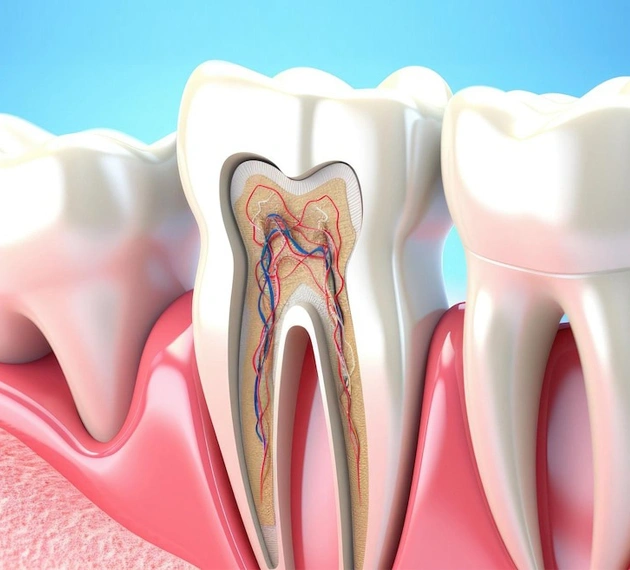
A root canal, also called endodontic therapy, is a dental procedure that removes infected or damaged pulp from inside your tooth. The pulp contains nerves and blood vessels, and it can become infected due to untreated cavities, injury, or extensive dental work. By removing the infected pulp, a root canal helps save the tooth, prevents further infection, and allows you to retain your natural tooth, avoiding the need for more invasive treatments like extractions or implants.
When is a Root Canal Necessary?
A root canal is typically needed when the pulp inside a tooth becomes infected or severely damaged. Common signs that you may need a root canal include:
- Persistent tooth pain, which may occur spontaneously or without cause
- Pain while biting or chewing
- Prolonged sensitivity to hot or cold temperatures
- Swollen or tender gums
- Facial swelling
- Darkening of the tooth
If you’re experiencing any of these symptoms, it’s important to contact our dental office in Silver Spring, MD for an evaluation. Early intervention can help save your tooth and prevent further complications.
Types of Root Canals
Standard Root Canal
This is the most common type of root canal procedure, performed on teeth with infected or damaged pulp. The process involves cleaning and shaping the root canals, then filling them to eliminate infection and preserve the tooth.
Root Canal Retreatment
In some cases, a tooth that has previously undergone a root canal may become reinfected or develop new issues. Root canal retreatment involves reopening the tooth, removing the old filling material, and addressing the new infection to restore the tooth's health.
Apicoectomy
An apicoectomy is a surgical procedure used when a standard root canal does not fully resolve the infection. The dentist removes the tip of the tooth’s root and any surrounding infected tissue, then seals the area with a root-end filling to prevent further infection.
Pediatric Pulpotomy
This procedure is performed on baby teeth with infected pulp. The dentist removes the infected pulp from the pulp chamber while leaving the healthy pulp in the roots intact. A stainless steel crown is placed on the tooth to protect it until the adult tooth emerges.
The Root Canal Procedure at Aspen Hill General and Cosmetic Dentistry
Knowing what to expect during a root canal can help ease any anxiety and prepare you for a smooth experience. Here are the basic steps involved in a root canal at our dental practice in Silver Spring, MD:
Numbing the Area
The procedure begins with the dentist numbing the affected area using a local anesthetic to ensure you feel no pain. You may feel a slight pinch during the injection, but the area will quickly become numb.
Isolating the Tooth
A rubber dam is placed around the tooth to keep it dry and free from saliva, which can harbor bacteria. This isolation ensures a clean environment during the procedure.
Accessing the Pulp
The dentist will make a small opening in the crown of the tooth to reach the pulp chamber and root canals. This allows access to the infected or damaged pulp for removal.
Cleaning and Shaping
Specialized instruments are used to clean out the infected pulp, shape the root canals, and irrigate the area to remove any debris. This step ensures the canals are properly prepared for filling.
Filling the Canals
Once cleaned, the root canals are filled with a biocompatible material, usually gutta-percha, and sealed with dental cement. This seals the tooth and prevents future infection, while also preserving its structure.
Temporary Filling
A temporary filling is placed in the access cavity to protect the tooth while a permanent crown is being prepared. This temporary restoration helps maintain the tooth’s function and appearance until the final step.
Ready for your root canal? Our team at Aspen Hill General and Cosmetic Dentistry is here to ensure a comfortable and efficient experience every step of the way!
Root Canal Aftercare and Recovery
After your root canal treatment, you may experience mild discomfort or sensitivity for a few days. This is normal, and over-the-counter pain relievers are typically sufficient to manage any post-procedure discomfort. It's important to avoid chewing on the treated tooth until a permanent crown is placed to protect it from potential fracture.
Getting a Permanent Crown
A follow-up visit is necessary to place a permanent crown on your treated tooth. The crown is custom-designed to fit your tooth perfectly, restoring both its strength and appearance. This final step ensures that your tooth is fully functional and protected for long-term use.
Cost of Root Canal Treatment in Silver Spring, MD
The cost of a root canal can vary depending on factors such as the complexity of the case, the location of the tooth, and whether the procedure is performed by a general dentist or an endodontist. Molars, which have more roots, tend to be more expensive to treat compared to front teeth. Dental insurance often covers a portion of the cost, but it's important to confirm the specifics of your coverage with your insurance provider. Contact our office in Silver Spring, MD for a personalized estimate based on your situation.
Choosing Between a General Dentist and an Endodontist
While general dentists are trained to perform root canals, endodontists specialize in this procedure and handle more complex cases. An endodontist in Silver Spring, MD has additional training in diagnosing and treating issues related to tooth pulp. If your case is particularly complicated or requires retreatment, we may refer you to our trusted endodontist for expert care.
Why Choose Our Clinic for Root Canal Treatment in Silver Spring, MD?
At our dental practice in Silver Spring, MD, we prioritize your comfort and ensure top-notch care throughout the root canal process. Here’s why you should choose us:
- Experienced Professionals: Our team of skilled dentists and endodontists has extensive experience performing root canals, ensuring high-quality, reliable care.
- Advanced Technology: We utilize the latest tools and techniques, including dental microscopes and digital radiography, to perform root canals with precision and efficiency.
- Patient-Centered Care: We’re committed to making your experience as comfortable and stress-free as possible, with a focus on your comfort at every stage.
- Comprehensive Aftercare: We provide detailed aftercare instructions and offer follow-up visits to monitor your recovery and address any concerns.
Frequently Asked Questions
Thanks to advances in modern dentistry and the use of local anesthetics, root canal procedures are much more comfortable than they used to be. Most patients experience minimal discomfort during the procedure and only mild soreness afterward, which can typically be managed with over-the-counter pain relievers.
