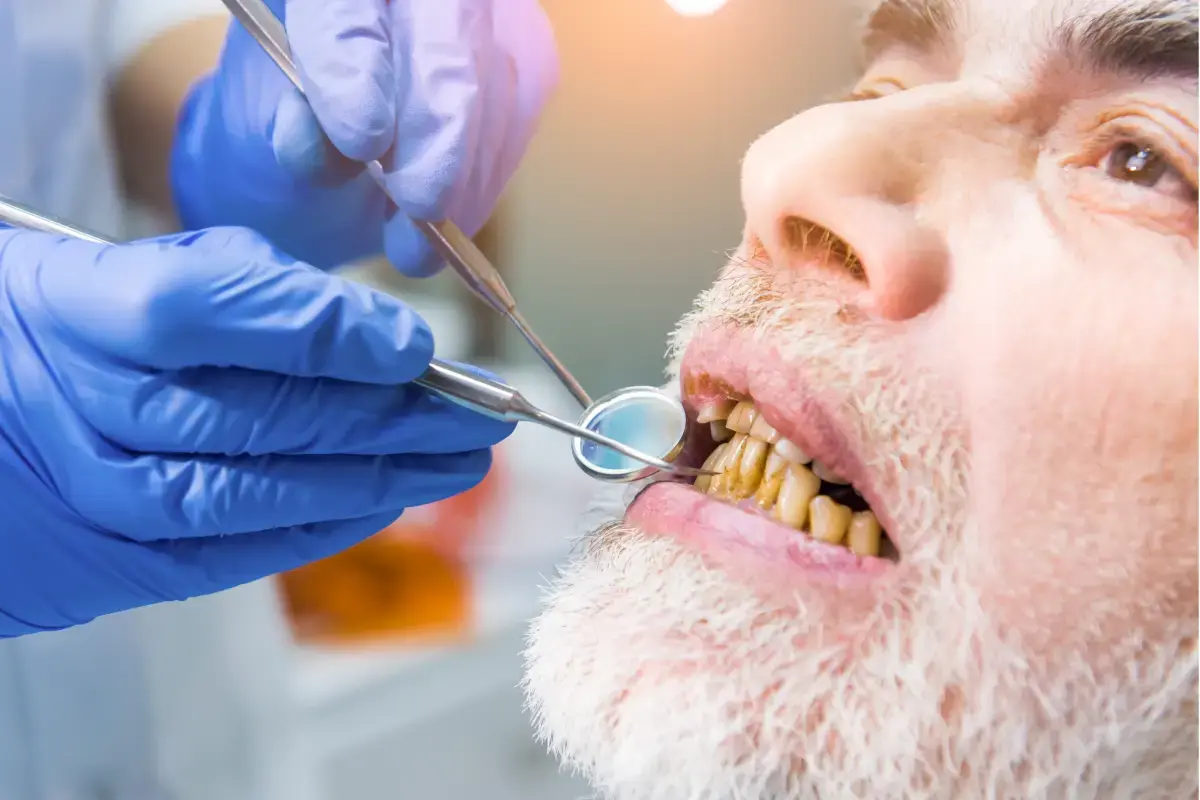



Yes, gum disease can cause bad breath. Bacteria that collect around and beneath the gums can produce unpleasant smelling compounds, which may make your breath smell bad even after brushing or using mouthwash. When the odor keeps coming back, especially along with a bad taste or changes in the gums, it is worth finding out what is causing it.
Gum disease is only one possible reason for persistent bad breath. Dry mouth, cavities, trapped food, oral infections, and certain habits can also contribute. Finding the source is the best way to deal with the problem instead of continually trying to cover it up.
How Can Gum Disease Affect Your Breath?
Your mouth contains millions of bacteria, and most are harmless. Problems can arise when plaque builds up around the teeth and gums.
Some oral bacteria release sulfur containing compounds as they break down food particles and other material in the mouth. These compounds can create a noticeable odor.
When gum inflammation develops, bacteria can collect along the gumline and eventually move into spaces between the gums and teeth. As these spaces become deeper, they can hold more bacteria and debris. This can make the odor harder to eliminate with regular brushing alone.
The result may be breath that smells unpleasant shortly after brushing, flossing, or using mouthwash.
Why Does Bad Breath Keep Coming Back?
Occasional bad breath is normal. You might notice it after waking up, eating certain foods, or going several hours without drinking water.
Persistent odor is different.
If bad breath keeps returning, there may be an ongoing source of bacteria or debris in your mouth. Plaque and tartar can collect around the teeth, while deeper areas near the gums can be difficult to clean at home.
Dry mouth can also contribute. Saliva naturally helps clear food particles and bacteria from your mouth. When you do not produce enough saliva, odor causing bacteria can remain for longer.
Other factors can include cavities, food trapped between teeth, tobacco use, certain medications, and some oral infections.
What Does Bad Breath From Gum Problems Smell Like?
There is no single smell that proves gum disease is responsible for bad breath. However, people sometimes describe persistent oral odor as sour, sulfur like, rotten, or generally unpleasant.
The smell itself cannot tell you exactly what is causing it.
A stronger clue is whether the odor continues despite good daily oral hygiene or appears with other changes in your mouth. A persistent bad taste, bleeding during brushing, gum swelling, tenderness, or food frequently getting trapped around certain teeth may justify a dental evaluation.
Can Mouthwash Get Rid of Bad Breath?
Mouthwash can make your breath feel fresher, but its effect may only last for a limited time when an underlying problem is responsible.
For example, if bacteria are collecting beneath the gumline or tartar has formed around the teeth, a rinse cannot remove those deposits completely.
That does not mean mouthwash has no value. Depending on the product, it may help reduce certain bacteria or temporarily improve breath odor. It should simply be part of your oral hygiene routine rather than a substitute for finding the cause of persistent bad breath.
If you constantly need mints, gum, or mouthwash to feel comfortable talking to people, consider why the odor keeps returning.
What Can Make Bad Breath Worse?
Several everyday factors can increase oral odor.
Dry Mouth
A dry mouth reduces the amount of saliva available to wash away bacteria and food particles. Dehydration, certain medications, mouth breathing, and some health conditions can contribute to dryness.
Food Trapped Between Teeth
Small pieces of food can remain between teeth or around dental work. As bacteria break down the trapped material, it can contribute to unpleasant breath.
Plaque and Tartar
Plaque that is not removed regularly can harden into tartar. This creates a rough surface where additional bacteria can collect.
Cavities
A decayed tooth can trap bacteria and food particles, creating another potential source of persistent odor.
Tobacco
Smoking and other tobacco use can contribute to bad breath while also increasing the risk of gum problems.
Oral Infections
An infection involving the gums, teeth, or other oral tissues can sometimes cause a persistent unpleasant smell or taste.
How Can You Tell What Is Causing the Odor?
You cannot always identify the cause yourself. Bad breath can come from several different sources, and more than one problem can exist at the same time.
A dental examination can help narrow it down. Your dentist may look for plaque buildup, tartar, cavities, gum inflammation, pockets around the teeth, infection, or other changes that could contribute to the odor.
The goal is not simply to make your breath smell fresher for a few hours. It is to identify and address the source.
What Can You Do About Persistent Bad Breath?
Start with consistent daily care.
Brush your teeth twice a day with fluoride toothpaste and clean between your teeth every day. Gently clean your tongue as well, since bacteria and debris can accumulate on its surface.
Drink water regularly, particularly if your mouth tends to feel dry. If you use removable dental appliances, clean them according to your dentist’s instructions.
Pay attention to how long the problem lasts. If your breath remains unpleasant despite these habits, do not keep adding products to your routine without investigating the cause.
A professional cleaning may help when plaque and tartar contribute to the odor. If gum disease, decay, or another dental problem is involved, you may need additional treatment.
When Should You Get Bad Breath Checked?
Make an appointment if bad breath continues for several weeks despite consistent oral hygiene.
You should also have it evaluated if the odor comes with:
- A persistent bad taste
- Bleeding gums
- Swollen or tender gums
- Receding gums
- Pain when chewing
- Tooth sensitivity
- Loose teeth
- Pus or drainage around a tooth
- A noticeable change that does not improve
These symptoms do not automatically mean gum disease is responsible. They simply provide reasons to look more closely for an underlying dental cause.
When Fresh Breath Is Not the Whole Story
Persistent bad breath is easy to dismiss as something that can be handled with gum or mouthwash. But when the odor keeps returning, finding the underlying cause can make a much bigger difference.
If you have been dealing with ongoing odor or an unexplained change in your breath, Aspen Hill General and Cosmetic Dentistry can help determine what may be contributing to it and what treatment makes sense. Reach out to the team in Silver Spring when you are ready to get the problem properly evaluated.
Frequently Asked Questions
1. Can gum disease cause bad breath even if my teeth do not hurt?
Yes. Gum problems do not always cause noticeable pain. Persistent odor can sometimes appear before a person realizes that something has changed with their gums.
2. Does flossing help with bad breath?
It can. Flossing removes plaque and food particles from areas your toothbrush cannot reach. Doing this every day can reduce one potential source of unpleasant breath.
3. Why does my breath smell bad again shortly after brushing?
If the odor returns quickly, bacteria may still be present around the gums, tongue, between the teeth, or in another area of the mouth. Dry mouth, cavities, and gum problems can also contribute.
4. Can a cavity cause bad breath?
Yes. A cavity can trap bacteria and food particles and may contribute to an unpleasant taste or odor, particularly when the decay has become more advanced.
5. Should I see a dentist for persistent bad breath?
Yes. If the problem continues despite good oral hygiene, a dental examination can help determine whether the cause is related to the gums, teeth, dry mouth, an infection, or another oral issue.