


Silver Spring has a way of keeping people moving. Whether you are grabbing coffee before heading into DC, catching something at the AFI Silver Theatre, or simply managing a packed week, slowing down is not always easy. But when a tooth has just been pulled, slowing down for at least a short time is exactly what your body needs.
A tooth extraction is one of the more common dental procedures, and most people go through it without any major complications. What often makes the difference is what happens in the hours and days after you leave the office. The care you take during the healing window has a direct impact on how smoothly your recovery goes and what your options look like once healing is complete.
For anyone in the community, having a provider who supports you through the entire process makes a meaningful difference. This includes everything from performing the extraction to guiding you through aftercare and helping you choose the right tooth replacement option.
At Aspen Hill General & Cosmetic Dentistry, our dentists focus on providing comprehensive care in a single setting. When the same team that removes the tooth also guides your recovery and helps you plan what comes next, nothing gets lost between appointments. The full picture stays in one place, and so does the relationship you build with your provider. For the Silver Spring community, having this level of care close to home means spending less time coordinating between multiple offices and more time focusing on healing and moving forward.
In this blog, we will walk through what to expect, what to do, and what to avoid after a tooth is pulled.
The First Few Hours Matter More Than You Think
Right after an extraction, a blood clot forms in the socket where the tooth was. This clot is not just a byproduct of the procedure. It is the foundation of healing. It protects the bone and nerve tissue underneath while new tissue begins to form.
Your provider will place gauze over the socket before you leave. Bite down gently on the gauze for about 30 to 45 minutes to help the clot form properly. If bleeding continues, replace it with a fresh piece and apply firm pressure for another 30 minutes. Some light oozing during the first several hours is normal.
During this time, avoid anything that could dislodge the clot before it stabilizes:
- Do not rinse forcefully
- Do not use a straw
- Do not spit forcefully
- Do not smoke
Each of these actions creates suction or pressure that can disturb the clot.
Managing Swelling and Discomfort
Some swelling and tenderness are expected after an extraction. For most people, swelling peaks around the second day and then gradually improves.
- Use an ice pack on the outside of your cheek in 20-minute intervals during the first 24 hours
- Take over-the-counter pain relievers as recommended by your provider
- If prescribed medication is given, take it as directed instead of waiting for pain to increase
- Sleep with your head slightly elevated on the first night to reduce swelling
These steps help make recovery more manageable.
Eating and Drinking in the Days After
For the first day, stick to soft foods that require minimal chewing:
- Yogurt
- Applesauce
- Mashed potatoes
- Scrambled eggs
- Smoothies eaten with a spoon
Avoid hard, crunchy, or chewy foods during this time.
Temperature also matters. Very hot foods and drinks can increase blood flow and interfere with clot formation. Lukewarm or cool foods are a better choice on the first day.
As healing progresses and tenderness decreases, you can gradually return to normal foods. Most people are eating comfortably again within about a week, though this varies by the type of extraction. Stay hydrated, but avoid using a straw for the first few days.
Keeping the Area Clean Without Disturbing the Clot
Oral hygiene is still important after an extraction, but it needs to be adjusted carefully.
- On the day of the procedure, avoid brushing directly over the extraction site
- Brush the rest of your teeth gently
- Starting the next day, use a mild saltwater rinse
- Mix about half a teaspoon of salt in eight ounces of warm water
- Let the liquid move gently around your mouth without forceful swishing
Avoid the extraction area with your toothbrush for the first few days. As tenderness improves, slowly return to normal brushing.
What Dry Socket Is and How to Avoid It
Dry socket is one of the most commonly discussed complications after an extraction, although it only affects a small percentage of cases.
It occurs when the blood clot becomes dislodged or dissolves too early. This exposes the bone and nerve, which can cause significant pain that may radiate toward the ear or jaw. It usually appears two to four days after the extraction.
Common causes include:
- Smoking
- Using a straw
- Forceful rinsing or spitting
- Intense physical activity too soon
If you suspect dry socket, the pain typically does not improve with standard pain medication. Contact your dental provider for evaluation. It is treatable, but it should not be ignored. Our office also offers emergency care and same-day appointments. We are open on weekdays with early hours and are easily reachable by phone. If you need to see a dentist in Silver Spring, you can call us at: (301) 460-1212.
Signs That Something Needs Attention
Most extractions heal without issues, but certain symptoms should not be ignored:
- Bleeding that remains heavy after applying pressure for an hour or more
- Pain that increases after the third or fourth day instead of improving
- Swelling that worsens after the second day
- Fever
- Difficulty swallowing
- A persistent bad taste that does not improve with rinsing
These signs do not always indicate a serious issue, but they should be evaluated.
What to Do Once Healing Is Complete
Healing from the extraction is only one part of the process. What comes next is just as important and is often delayed longer than it should be.
When a tooth is removed and not replaced, the bone in that area begins to lose density. This process, known as bone resorption, starts relatively soon and continues over time. As the bone changes, it can affect both appearance and future treatment options.
Nearby teeth may also begin to shift toward the empty space. This can alter your bite, create spacing issues, and lead to additional dental concerns.
Because of this, it is important to discuss tooth replacement options sooner rather than later, even if treatment happens later.
Why Dental Implants Are Worth Understanding
Dental implants are one of the most effective ways to replace a missing tooth because they closely mimic natural tooth function.
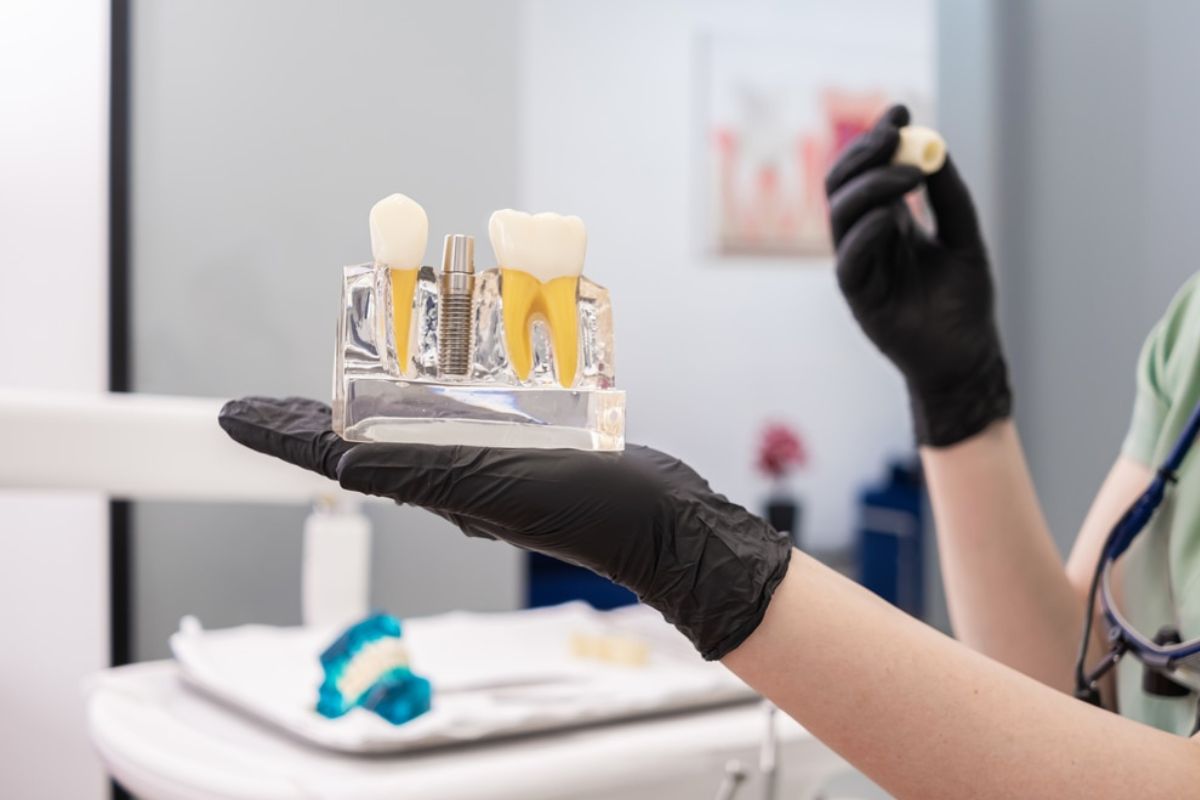
An implant consists of a small titanium post placed in the jawbone. Over time, the bone integrates with the post in a process called osseointegration. Once healing is complete, a crown is placed on top.
Benefits of implants include:
- They stimulate the bone and help prevent bone loss
- They keep the surrounding teeth from shifting
- They do not rely on neighboring teeth for support
- They are designed to last for many years with proper care
How We Support You Through the Process
At Aspen Hill General & Cosmetic Dentistry, tooth replacement is approached with a full understanding of your overall oral health. This includes evaluating the bone, surrounding teeth, and your long-term goals.
For Silver Spring residents considering dental implants, an early evaluation can be helpful. If bone loss has already occurred, additional treatment may be needed before an implant can be placed. This is a manageable step, but it can add time to the process.
If you are currently healing from an extraction, this is a good time to ask questions and understand your options. Knowing what to expect can make the process feel much more manageable. You are welcome to schedule a consultation with our team to discuss your questions and explore the best path forward.
We are located in the Truist Bank Building in the Aspen Hill neighborhood of Silver Spring and are easily accessible via Connecticut Avenue and Georgia Avenue.
The Bigger Picture
Getting a tooth pulled is rarely anyone’s ideal situation, but it is not the end of the story. The healing process is manageable when you know what to expect, and once healing is complete, there are reliable options to restore both function and appearance in a lasting way.
Take the first few days seriously. Protect the blood clot, stick to soft foods, and maintain good oral hygiene without disturbing the extraction site. If anything feels off, reach out to your provider rather than waiting.
When you are ready to think about what comes next, do not delay that conversation. Addressing it early helps keep your options open and makes the process smoother moving forward.