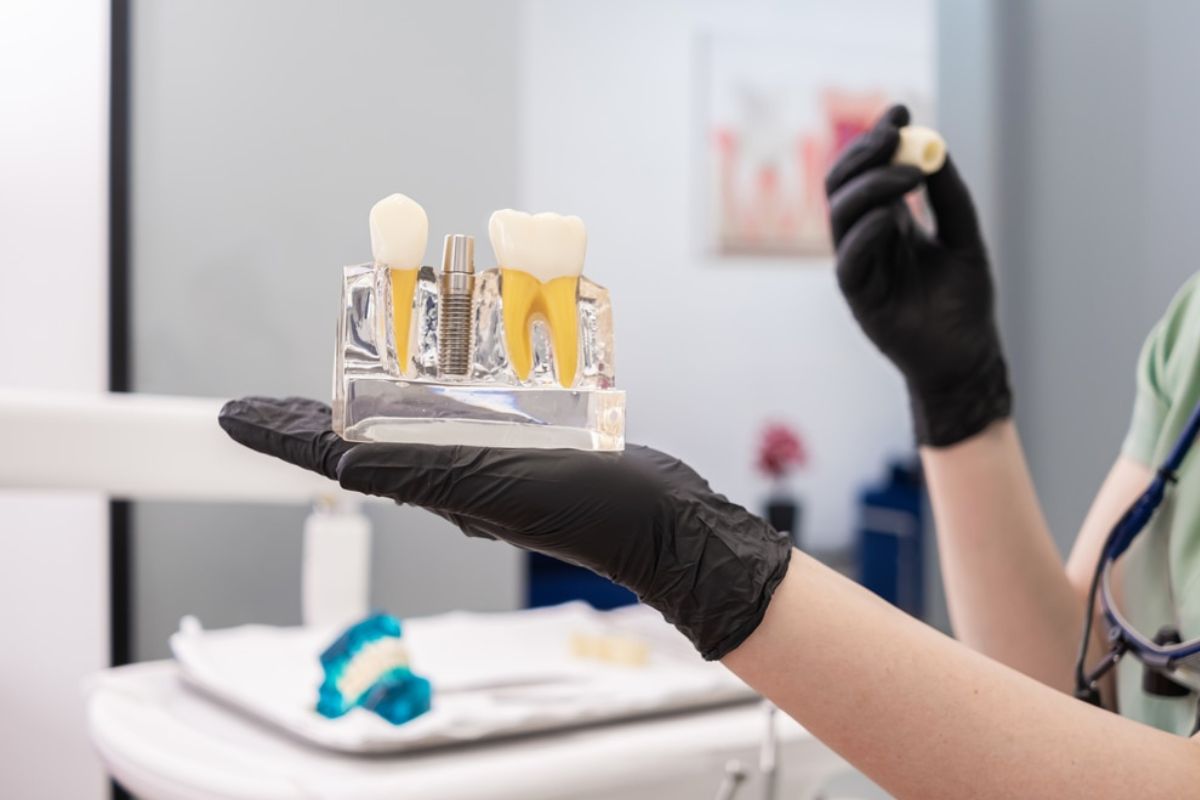



When considering dental implants in Silver Spring, patients often ask whether they need a bone graft before the procedure. Fixed dental prosthetics are a popular and effective solution for replacing missing teeth, but not everyone qualifies for the procedure. In some cases, this surgical procedure is necessary to ensure the success of the implants. Understanding why and when a jawbone augmentation is required can help you make informed decisions about your oral health.
Why Are Bone Grafts Needed For Implants?
Bone loss in the jaw is a significant concern for many patients considering implant placement. Losing teeth often leads to bone resorption, where the bone tissue begins to shrink due to the lack of tooth roots. This can create insufficient bone density to support artificial tooth roots. In such cases, the professional recommends this surgical approach to rebuild the missing bone, providing a stable foundation for the implant post.
Types Of Bone Grafts
Jawbone augmentation comes in several types, each with advantages depending on the severity of the bone loss and the specific area of the jaw affected. Common materials include:
- Autografts: Bone taken from your own body, usually from another area of the mouth or hip.
- Allografts: Donor bone tissue from a human cadaver.
- Xenografts: Bone sourced from animals, usually cows.
- Alloplastic Grafts: Synthetic materials designed to mimic bone tissue.
The choice of graft material will depend on your unique needs and your specialist’s recommendations. Jawbone augmentation procedures may also vary in terms of the healing time, which can range from a few months to a year, depending on the type and the complexity of the graft.
How Does Bone Remodeling Improve The Success Of Prosthetic Teeth?
The primary purpose of the bone replacement process is to ensure that the fixture is securely anchored into the jaw. Bone regeneration stimulates the body’s natural healing process, encouraging new bone growth in the area. Once the graft integrates with the existing bone, it becomes strong enough to support the implant screw, withstanding the pressures of chewing and speaking.
Not all patients will require a graft, though. Sometimes, the jaw may have enough bone tissue to proceed directly with the procedure. Your local dentist will assess the density and volume of your jawbone through advanced imaging techniques, like 3D scans or X-rays. This will help to determine the best course of action, avoiding complications.
When Is A Bone Regeneration Process Necessary?
Several factors can influence whether a ridge augmentation is necessary before receiving implanted teeth. Common reasons for bone loss include:
- Missing Teeth For Months Or Years: The longer a tooth has been absent, the more likely the jawbone will have resorbed.
- Periodontal Disease: Gum disease can destroy the bone tissue that supports the teeth, leaving behind inadequate bone for implants.
- Trauma or Injury: Accidents or injuries to the mouth can damage the bone, requiring additional bone material for proper healing.
If a dental professional recommends a bone repair before proceeding, following all post-operative care instructions is essential. Adhering to these guidelines ensures the graft integrates successfully with your jawbone, promoting proper healing and long-term success.
Can You Avoid A Bone Graft?
While a bone repair treatment is intimidating, it is essential for prosthetic teeth’s long-term success. However, you can skip this step if you have enough healthy bone tissue in your jaw. A specialist will conduct a thorough evaluation to gain an understanding, including a review of your medical history and a detailed imaging analysis.
For patients with significant bone loss or other oral health issues, implantology specialists may offer solutions like sinus lifts or ridge expansion. These procedures help improve the quality and quantity of bone, making fixed dental prosthetics a viable option.
Discover Your Eligibility For A Bone Graft Today!
If you are wondering whether you need bone growth stimulation before getting dental implants in Silver Spring, the answer depends on your oral health and bone structure. In many cases, it is necessary to provide a strong foundation for the implants. Fortunately, advancements in dental restoration procedures allow for successful jawbone building. This makes it possible for most patients to achieve the smile they have always wanted.
Schedule an appointment with our experienced dentist specializing in dental implants and oral surgery. You can also visit our Aspen Hill General and Cosmetic Dentistry dental office to learn more about your treatment
FAQs
What causes bone loss in the jaw?
Bone loss in the jaw typically occurs after losing teeth. When a tooth is missing, the jawbone can begin to shrink or resorb over time due to the absence of tooth roots, which naturally stimulate bone growth.
Is bone grafting painful?
Bone grafting is generally not painful, as it is performed under local anesthesia or sedation. After the procedure, some discomfort, swelling, or bruising may occur, but it can be managed with prescribed medications.
Can a bone graft fail?
While rare, a bone graft can fail if the body rejects the material or if complications occur during the healing process. However, following post-operative care instructions can significantly reduce the risk of failure.
What happens if I don’t get a bone graft before dental implants?
If you don’t receive a bone graft and your jawbone is insufficient, the dental implant may not have enough support, potentially leading to implant failure or complications during the procedure.
How soon can I get dental implants after a bone graft?
The timeline for dental implants after a bone graft varies. Typically, a waiting period of 3 to 12 months is required to allow the bone to heal and integrate with the graft before proceeding with the implant procedure.