


As temperatures drop in Silver Spring, many people notice changes in how their teeth feel. Cold air, hot drinks, and seasonal shifts can sometimes bring unexpected sensitivity. For those who already have dental implants, this can raise concerns, especially when an implant is meant to feel stable and comfortable year-round.
If you have noticed discomfort around an implant during colder months, you are not alone. Seasonal sensitivity is common, and understanding what is normal versus what needs attention can help protect your long-term oral health.
As a dentist serving the Silver Spring community, we support patients with ongoing implant care, routine checkups, and guidance that helps restorations function comfortably through every season. This guide explains how cold weather can affect implant areas, what sensations are common, and when it may be time to schedule an implant health check.
Understanding Sensitivity Around Dental Implants
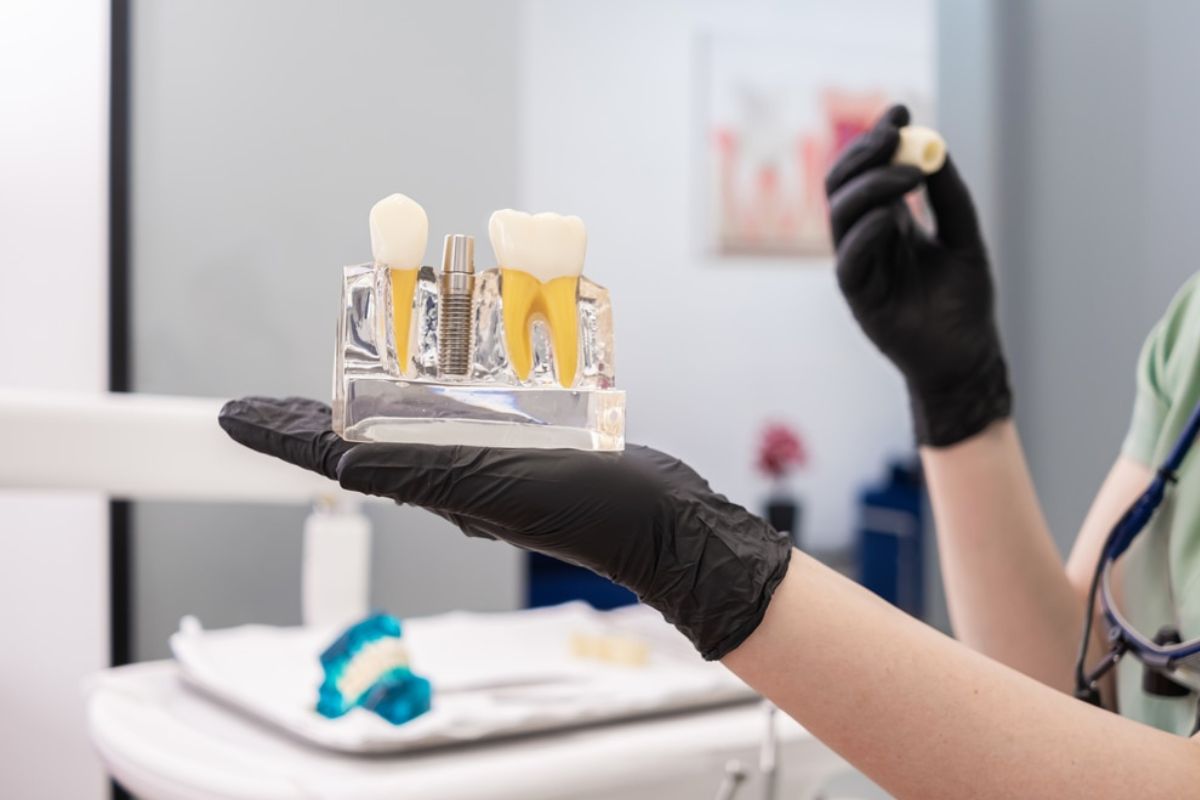
Dental implants are designed to replace missing teeth with a stable foundation that does not respond to temperature in the same way natural tooth nerves do. Because implants are anchored into the jawbone, the implant post itself does not become sensitive to cold.
However, the tissues around the implant still play an important role in how your mouth feels. The surrounding gums, neighboring natural teeth, and bite alignment can all influence sensations, especially during colder months.
Sensitivity near an implant does not always mean there is a problem with the implant itself. In many cases, it is related to changes in gum tissue, exposed tooth roots nearby, or general oral health conditions that become more noticeable when temperatures drop.
Why Cold Weather Can Trigger Discomfort
Cold weather can contribute to dental sensitivity in a few ways, even when implants are involved. One common factor is gum tissue response. Cold air can cause gum tissue to tighten slightly, making areas around the implant feel different or more noticeable than usual.
Another factor is dry mouth, which tends to increase during winter due to indoor heating and reduced humidity. Saliva helps protect oral tissues, and when it decreases, the mouth may become more sensitive overall.
In some cases, sensitivity may be coming from nearby natural teeth rather than the implant. If a neighboring tooth has enamel wear or minor gum recession, cold temperatures can trigger discomfort that feels like it is coming from the implant area.
When Sensitivity Should Be Checked
While mild, temporary sensitivity can be normal, persistent or increasing discomfort should not be ignored. Dental implants rely on healthy surrounding tissue to remain stable, and changes in sensation can sometimes indicate early signs of inflammation or bite issues.
A routine implant health check allows us to examine the gums, bone support, and how your implant restoration fits with your bite. Small adjustments or early intervention can prevent more complex concerns later.
Routine implant checkups are especially important during seasonal changes, when subtle issues tend to become more noticeable.
The Role of Regular Implant Health Checkups
Implant checkups are not only about the implant itself. They also focus on the health of the surrounding gums, the condition of the restoration, and how everything functions together.
During an implant health visit, we look for signs of gum inflammation, plaque buildup around the implant, and any changes in bite pressure. These factors can contribute to sensitivity and, if left unaddressed, may affect the longevity of the implant.
Everyday Habits That Support Implant Comfort
Simple daily habits can help reduce sensitivity and support implant health during colder weather. Using a soft-bristled toothbrush, maintaining thorough but gentle oral hygiene, and staying hydrated can all make a difference.
If you notice sensitivity when breathing in cold air, covering your mouth outdoors or using a scarf can help reduce direct exposure. Choosing toothpaste formulated for sensitive teeth may also benefit nearby natural teeth that contribute to discomfort.
Consistent care at home works best when paired with professional monitoring, especially for those with implants.
Ongoing Implant Care and Long-Term Solutions
For individuals who already have dental implants, ongoing care is key to long-term comfort and function. Implant dentistry does not end once the restoration is placed. Regular evaluations help ensure everything continues to work as intended.
At Aspen Hill General & Cosmetic Dentistry, we also help patients who are exploring options to restore missing teeth using dental implants. Whether you are maintaining an existing implant or learning more about implants as a long-term solution for tooth replacement, working with a dental team familiar with both restoration and ongoing care can make the process more predictable and supportive.
Supporting Implant Health Through Every Season
Cold weather can highlight sensations that are easy to overlook during warmer months. Paying attention to these changes and scheduling an implant health check when needed helps protect both comfort and oral health.
If cold weather has made you more aware of sensitivity around a dental implant, or if it has been a while since your last implant evaluation, we invite you to schedule a visit with our dentist in Silver Spring, MD.
Our practice is proud to serve the community with general, restorative, and implant-focused care that supports long-term outcomes. Seasonal checkups play an important role in keeping your smile healthy, functional, and comfortable throughout the year.