

When it comes to restoring a confident smile and improving oral health, dental implants in Silver Spring are one of the most reliable and long-lasting solutions. Unlike dentures or bridges, they are designed to function like natural teeth, offering stability, comfort, and aesthetic appeal. However, one of the patients’ most common questions is about their sustainability.
With proper care, implanted teeth can last 20 years or more, and in many cases, they can even last a lifetime. Nonetheless, several factors influence their longevity, from the quality of the materials used to the patient’s oral hygiene habits.
Average Lifespan Of Different Implant Components
To understand how long permanent tooth replacements truly last, let’s break the implant system into its components for clarity.
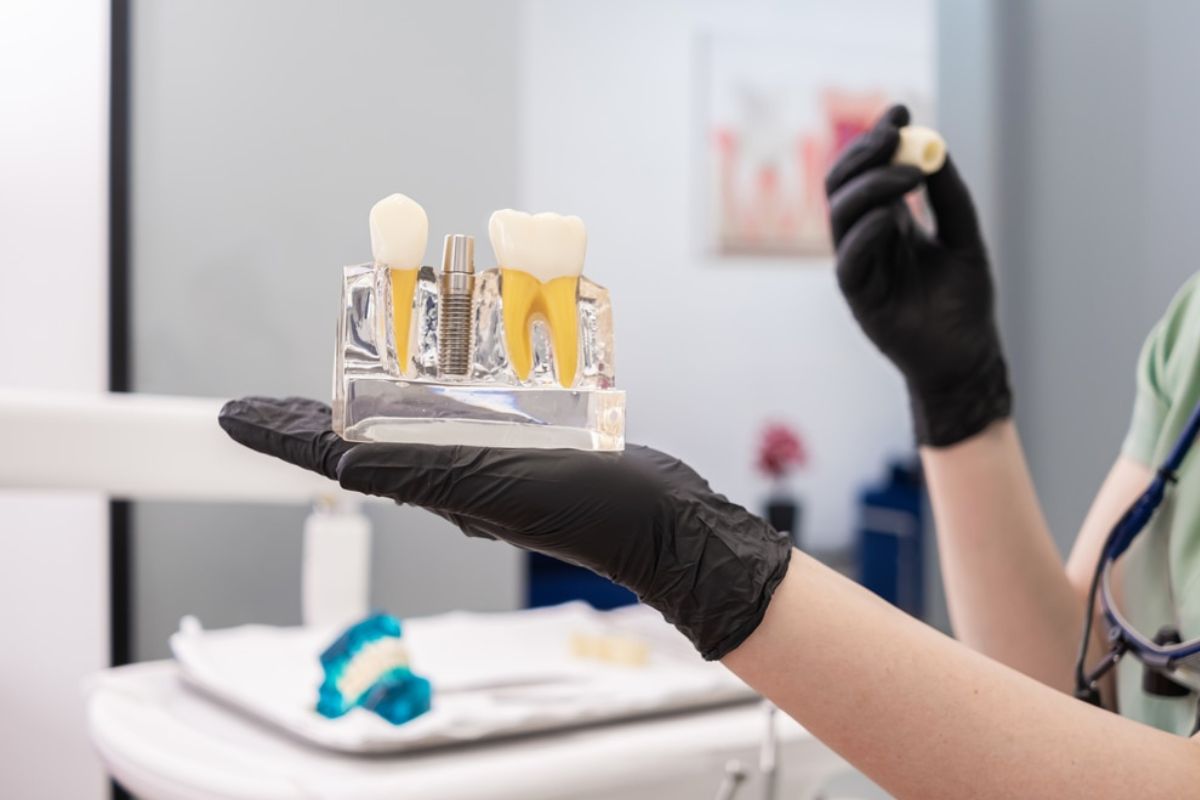
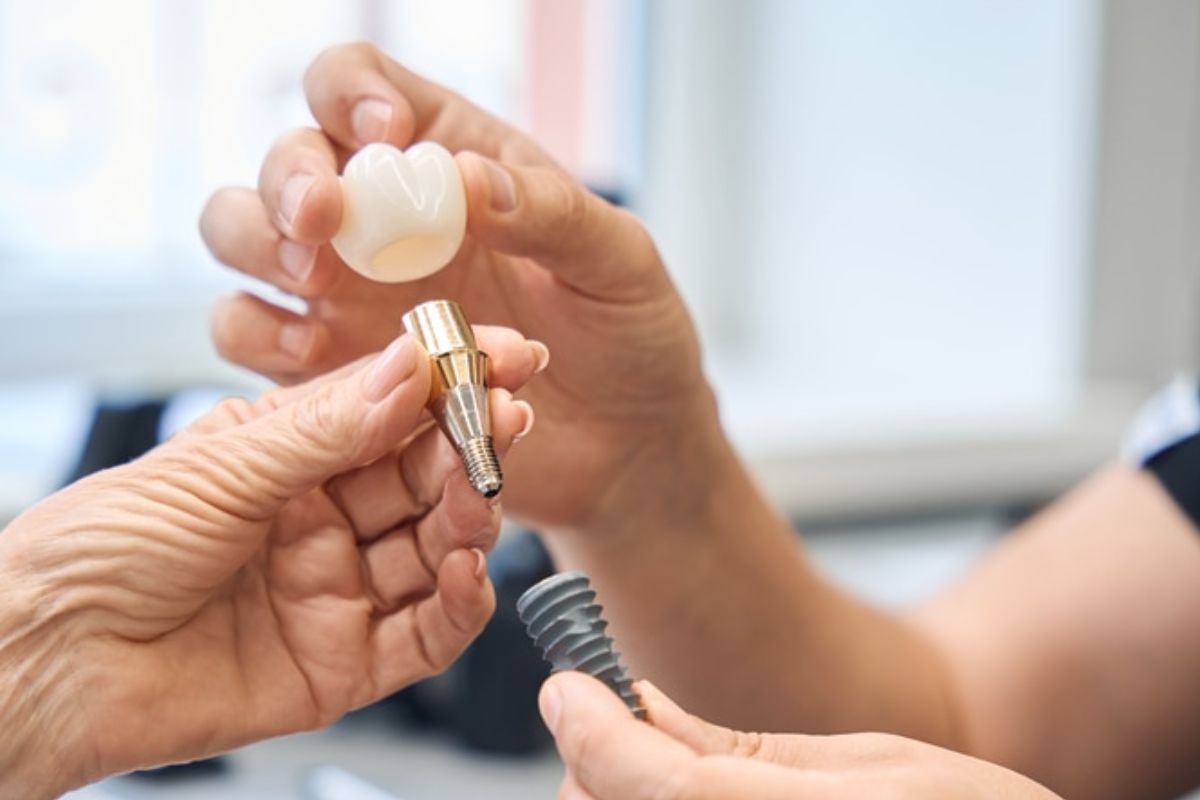
- Implant Fixture (Post) – The Long-Term Foundation
The titanium or zirconia post, surgically placed in the jawbone, is incredibly durable. With proper care, this artificial tooth root can last 25 years or longer. In fact, documented cases show implants functioning for more than 30 years.
- Abutment and Crown – The Visible Tooth Replacement
The abutment acts as a connector between the implant post and the crown. Usually made from porcelain or ceramic, the crown typically lasts 10 to 15 years, depending on wear, chewing habits, and oral hygiene. When it wears down, it can be replaced without disturbing the post.
What Are The Factors That Influence Dental Implants Longevity
Even though implant-supported teeth have a success rate above 95%, several elements affect how long they last:
- Oral Hygiene
Proper brushing, flossing, and routine dental checkups are essential. Poor oral hygiene can lead to peri-implantitis, an infection that affects the gum and bone surrounding the artificial tooth, which can ultimately cause dental implant failure.
- Lifestyle Habits
Smoking, excessive alcohol consumption, and poor diet can compromise the health of the prosthetic teeth. Smoking, in particular, reduces blood flow to the gums, hindering healing and increasing the risk of implant failure.
- Grinding Or Clenching (Bruxism)
Patients who grind or clench their teeth may experience accelerated crown wear or artificial tooth damage. In such cases, dentists recommend a nightguard to protect the dental work.
- Bone Density and Gum Health
A strong jawbone and healthy gums are crucial for the success of dental work. Patients with significant bone loss may require bone grafting before implant placement to ensure long-term stability.
- Experience of the Dentist
The success and longevity also depend heavily on the skill and experience of the dental provider. Choosing a clinic specializing in implant dentistry in Silver Spring ensures that the procedure is done precisely, using the latest techniques and high-quality materials.
How Modern Technology Improves The Success Of Dental Implants
Modern dental technology has transformed how prosthetic teeth are planned and placed, contributing to long-term success. 3D imaging tools, such as cone-beam CT scans, allow for highly accurate assessment of bone density and anatomical structures. This leads to safer and precise placement of implanted dental prostheses, reducing complications and improving outcomes.
Digital implant planning software and computer-guided surgery further reduce the risk of human error. They allow for minimally invasive procedures, often resulting in quicker healing and better integration between the implant and the jawbone. In addition, CAD/CAM technology produces custom crowns that offer a better fit and reduced mechanical stress, contributing to the durability.
The Role Of Diet In Supporting Fixed Dental Prosthetics
While oral hygiene and habits like smoking are commonly discussed, nutrition is often overlooked as a major factor in the health of prosthetic teeth.
- Calcium And Vitamin D: Support bone density, which is essential for implant support.
- Vitamin C And Collagen-Rich Foods: Promote gum health and reduce inflammation.
- Avoiding Overly Acidic Or Sugary Foods: Helps maintain a healthy oral environment and reduces the risk of gum disease.
A diet rich in whole foods, lean proteins, and leafy greens supports the health of your artificial tooth and protects oral wellness.
When Tooth Replacement Or Repair Becomes Necessary?
While the implant post itself is designed to last decades, certain parts may require attention over time:
- Crown Replacement: Most commonly needed due to normal wear, chipping, or aesthetic concerns after 10–15 years.
- Abutment Replacement: Less frequent, but may be necessary if it loosens or gets damaged.
- Implant Removal And Replacement: Rare, and typically only needed if the implant fails due to infection, trauma, or severe bone loss.
Dental implants help reclaim comfort, function, and confidence for years by solving the issue of missing teeth. While crowns may need occasional replacement, the fixture is designed as a lasting foundation for your smile. With technological advancements and a commitment to good oral care, these artificial tooth roots can become a lifelong solution.
If you are considering dental implants in Silver Spring, let the trusted professionals at Aspen Hill General and Cosmetic Dentistry guide you from assessment to long-term maintenance. We do not just place implants but build lasting solutions tailored to your oral health and lifestyle. Discover how modern dentistry can give your smile strength and staying power, one expertly placed implant at a time. Schedule your appointment today!