

Dental implants have truly transformed how we approach tooth replacement, offering a significant leap forward from traditional dentures and bridges. They’ve become a cornerstone of modern dentistry, providing patients with a long-lasting, natural-feeling solution to missing teeth. Here’s a look at how implants have revolutionized the field:
Why Implants Are a Cut Above the Rest:
- Permanent Solution: Unlike dentures, which can slip or move, implants fuse with your jawbone, providing a stable, permanent base for replacement teeth.
- Natural Functionality: Implants function just like natural teeth, allowing you to eat, speak, and smile with confidence. This is a significant improvement over the discomfort and limitations often associated with traditional dentures.
The Advantages Over Traditional Options:
- Bone Preservation: One of the most significant benefits is that implants prevent bone loss. When a tooth is lost, the jawbone can deteriorate. Implants stimulate the bone, keeping it healthy and strong.
- No Reliance on Adjacent Teeth: Bridges require altering adjacent healthy teeth for support. Implants stand alone, preserving the integrity of your natural teeth.
- Enhanced Comfort and Confidence: Implants eliminate the discomfort and embarrassment of slipping dentures, boosting overall confidence.
Improving Overall Oral Health:
- Preventing Bone Deterioration: As mentioned, implants prevent bone loss, maintaining your facial structure.
- Reducing Gum Disease Risk: Gaps from missing teeth can harbor bacteria. Implants fill those gaps, reducing the risk of gum disease.
The Implantation Process:
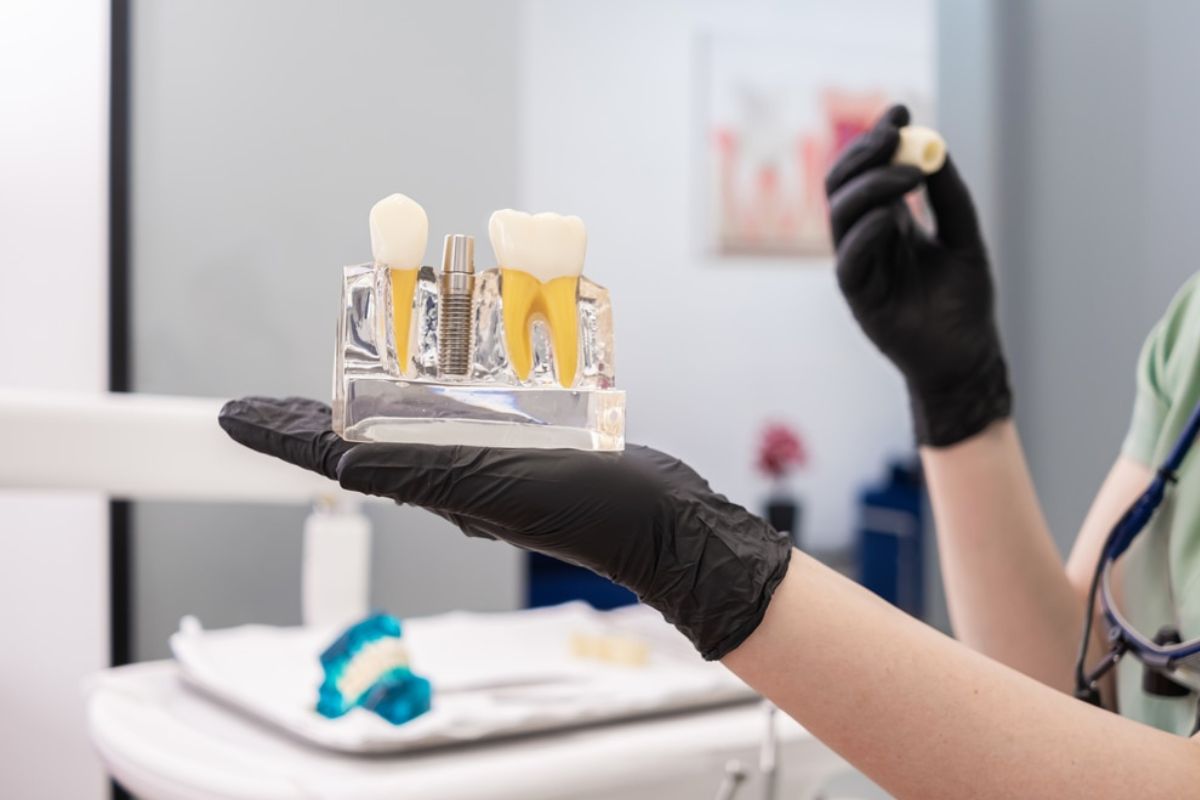
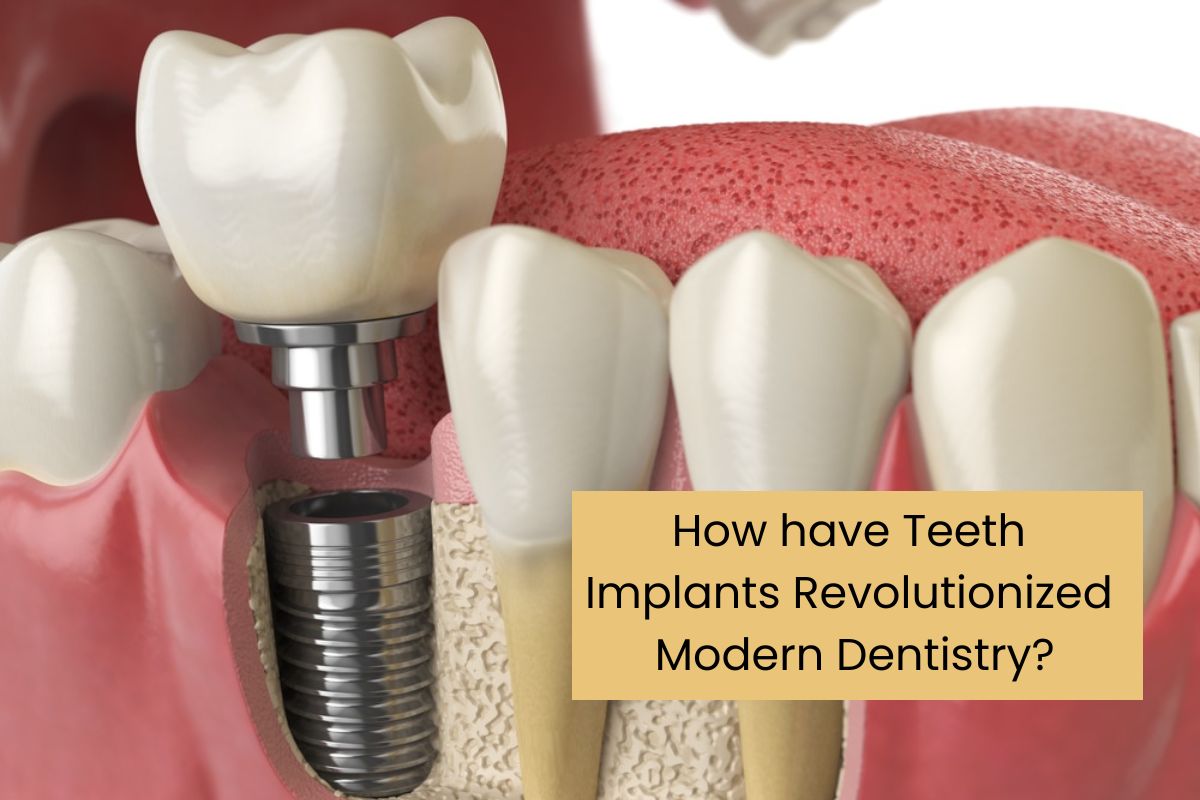
- The process involves a consultation and jawbone assessment, followed by the surgical placement of a titanium post. After healing, a custom-made crown is attached.
Who’s a Good Candidate?
- Anyone with missing teeth and good oral health can benefit. Sufficient jawbone density is generally required, but bone grafting can address deficiencies.
Types of Implants:
- Endosteal implants (inserted into the jawbone) are most common, while subperiosteal implants (placed under the gum but above the bone) are used for those with limited bone density.
Technological Advancements:
- 3D imaging and computer-guided surgery ensure precise placement, reducing recovery time. Advanced materials like zirconia improve durability and aesthetics.
A Wise Investment:
- While there’s an upfront cost, implants are a long-term investment. They eliminate the ongoing costs and inconveniences of dentures.
Minimizing Risks:
- Choosing a skilled dentist and following post-operative care instructions minimizes risks like infection and implant failure.
Maintaining Your Implants:
- Regular brushing, flossing, and dental check-ups are essential for long-term implant health.
In summary, dental implants have revolutionized dentistry by offering a dependable, natural-looking solution for missing teeth.
They enhance oral health, boost confidence, and improve overall quality of life.