

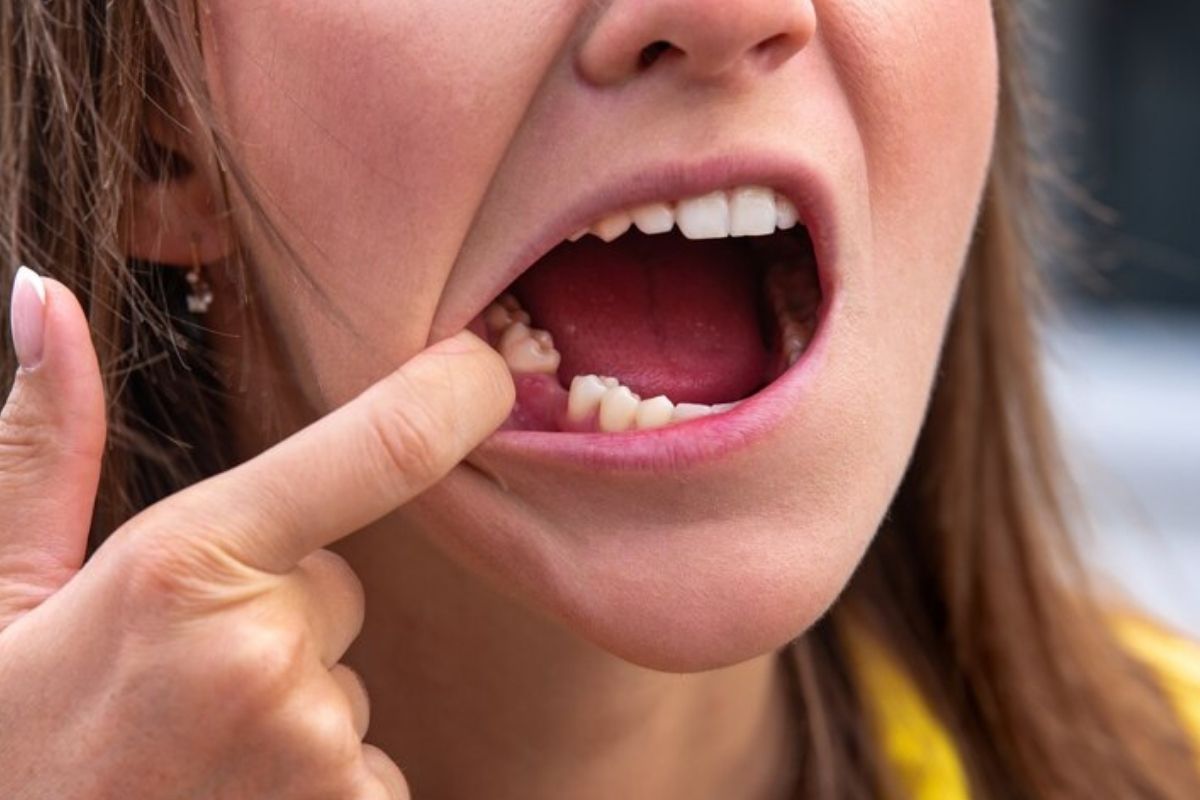
Losing a tooth may seem like a small issue at first, especially if the missing space is not easily visible when smiling. Many people assume they can continue chewing normally or postpone treatment without major consequences. However, even a single missing tooth can gradually affect other parts of the mouth over time.
Teeth work together as a system. When one tooth is lost, nearby teeth, the bite, and even the jawbone can begin to change. Some of these changes happen slowly, which is why many patients do not immediately connect new symptoms to an older missing tooth.
At Aspen Hill General & Cosmetic Dentistry, Dr. Goorah, Dr. McLaughlin, and the dental team help patients throughout the Silver Spring area understand how missing teeth can affect long-term oral health and what treatment options may help restore comfort, stability, and function.
Why One Missing Tooth Can Affect More Than Just Appearance
Every tooth plays a role in supporting chewing balance and keeping neighboring teeth properly positioned.
When a tooth is missing, the surrounding structures may gradually shift or compensate for the empty space. Over time, this can affect:
- Bite alignment
- Chewing efficiency
- Jawbone support
- Tooth stability
- Gum health
- Wear patterns on nearby teeth
Some patients also begin chewing more heavily on one side of the mouth, which may place extra pressure on certain teeth and jaw joints.
These changes do not always happen immediately, but they can become more noticeable as time passes.
What Happens to Nearby Teeth After Tooth Loss?
Teeth naturally rely on contact with neighboring teeth for stability. When one tooth is lost, nearby teeth may slowly drift or tilt toward the empty space.
This movement can sometimes lead to:
- Uneven spacing
- Bite imbalance
- Difficulty cleaning between teeth
- Food trapping
- Increased plaque buildup
- Changes in chewing comfort
In some cases, the tooth above or below the missing area may also begin shifting because it no longer has an opposing tooth to bite against properly.
Even small tooth movements can affect how the bite functions over time.
Can a Missing Tooth Affect the Jawbone?
Yes.
The jawbone depends on stimulation from tooth roots during chewing. When a tooth is removed and not replaced, the area underneath may gradually lose bone volume over time.
This process is known as bone resorption.
Jawbone changes may contribute to:
- Changes in facial support
- Reduced stability for neighboring teeth
- Difficulty with future tooth replacement options
- Changes in bite pressure
The amount and speed of bone loss vary from person to person, but it often begins after a tooth is lost.
Changes Patients May Notice Over Time
Some people adapt to a missing tooth without immediate discomfort, while others notice gradual changes that affect daily function.
Possible symptoms may include:
- Difficulty chewing certain foods
- Teeth shifting position
- Increased food trapping
- Bite discomfort
- Uneven tooth wear
- Jaw soreness
- Changes in speech
- Sensitivity in surrounding teeth
Because these problems often develop gradually, they are sometimes overlooked until additional treatment becomes necessary.
When Replacing a Missing Tooth Becomes Important
Replacing a missing tooth is not only about restoring appearance. Treatment may also help maintain bite balance and support long-term oral health.
A professional evaluation may help determine whether replacement is recommended based on:
- Location of the missing tooth
- Condition of surrounding teeth
- Jawbone support
- Bite function
- Overall oral health
The right treatment varies depending on each patient’s needs and goals.
Understanding Dental Implant Treatment
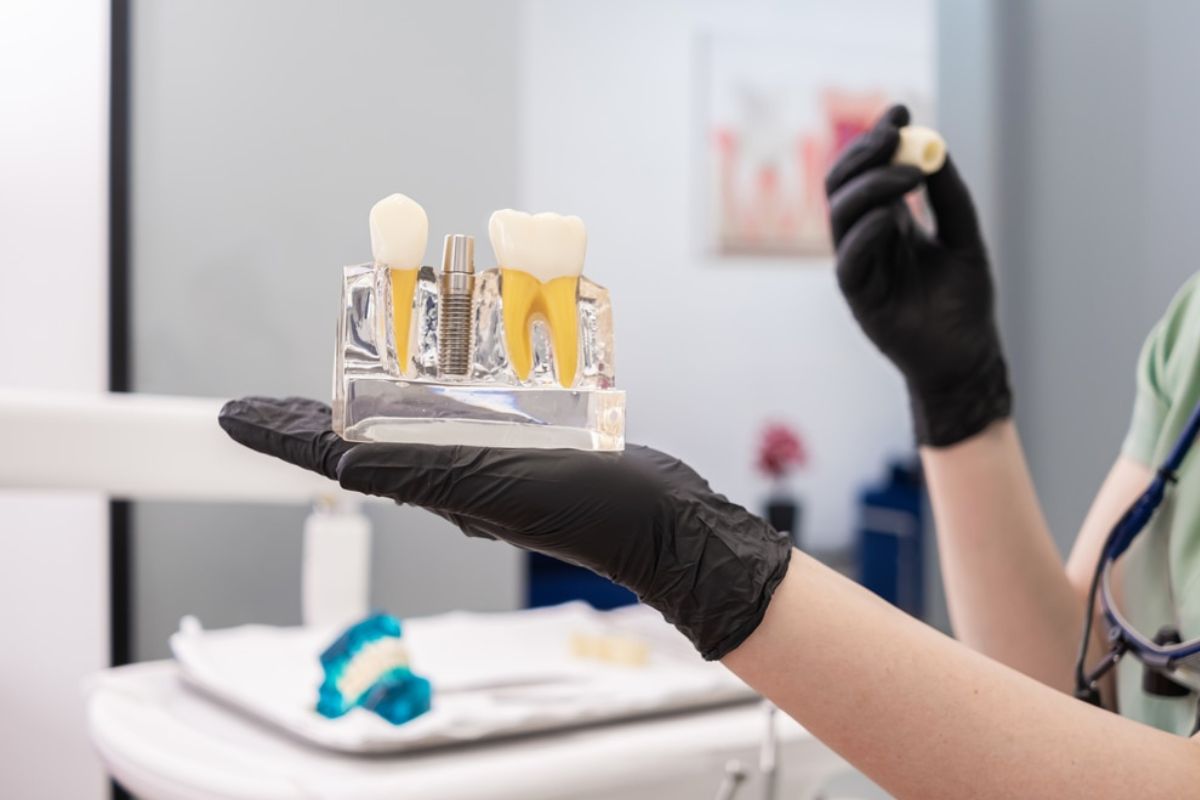
Dental implants are one of the most common long-term solutions for replacing missing teeth because they are designed to replace both the visible tooth and the root beneath the gums.
An implant is placed within the jawbone and later restored with a custom dental crown designed to blend naturally with surrounding teeth.
Many patients choose implant treatment because it may help:
- Restore chewing function
- Support jawbone health
- Improve bite stability
- Prevent nearby teeth from shifting
- Restore a more natural feel
Unlike removable options, implants remain fixed in place and function similarly to natural teeth.
At Aspen Hill General & Cosmetic Dentistry, implant treatment is part of the restorative care options available for patients dealing with missing teeth. Dr. Goorah and Dr. McLaughlin carefully evaluate each patient’s oral health, bone support, and treatment goals before recommending whether implant restoration may be appropriate.
Are Dental Implants the Only Option?
Not always.
Some patients may benefit from other restorative options depending on the condition of their mouth and surrounding teeth.
Alternative solutions may include:
- Dental bridges
- Partial dentures
- Full dentures in some cases
Each treatment has advantages and limitations, which is why individualized treatment planning is important.
The goal is to restore comfort, function, and long-term oral health while preserving as much healthy tooth structure as possible.
When Delaying Treatment Can Create Additional Challenges
Waiting too long to replace a missing tooth may sometimes lead to:
- More tooth movement
- Greater bone loss
- Increased bite imbalance
- Additional restorative needs later
- Difficulty placing certain restorations in the future
This does not mean every missing tooth requires immediate treatment, but early evaluation often helps patients better understand their options before changes become more significant.
What Happens During an Evaluation for Missing Teeth?
An evaluation typically includes:
- Examination of the teeth and gums
- Digital X-rays or imaging
- Bite assessment
- Review of bone support
- Discussion of functional concerns and goals
The purpose is to determine how the missing tooth may be affecting oral health and which replacement options may best support long-term stability.
Patients are often surprised to learn how much a single missing tooth can influence surrounding teeth and bite function.
Signs It May Be Time to Discuss Tooth Replacement
A professional evaluation may be helpful if you notice:
- Difficulty chewing comfortably
- Teeth shifting position
- Gaps becoming larger
- Increased food trapping
- Jaw discomfort
- Changes in bite alignment
- Sensitivity in nearby teeth
Even if the missing tooth has been absent for years, treatment options may still be available.
Restoring Function and Protecting Long-Term Oral Health
If you have a missing tooth and are beginning to notice changes in your bite, chewing comfort, or surrounding teeth, an evaluation can help determine whether treatment may help protect your long-term oral health. Dr. Goorah, Dr. McLaughlin, and the team at Aspen Hill General & Cosmetic Dentistry provide restorative and preventive dental care for patients throughout the Silver Spring area, including treatment options for missing teeth. Contact our office to schedule an appointment and learn more about solutions that can help restore your smile and bite function.
Our office is conveniently located in the Aspen Hill community of Silver Spring and welcomes patients from nearby neighborhoods and surrounding areas.
How Replacing a Missing Tooth Supports Overall Oral Health
One missing tooth can gradually affect much more than appearance alone. Changes in bite balance, tooth positioning, and jawbone support may develop over time, even when symptoms are not immediately noticeable.
Understanding the long-term effects of tooth loss helps patients make more informed decisions about restoring their oral health. With proper evaluation and personalized treatment planning, replacement options such as dental implants may help improve function, stability, and overall comfort for years to come.