Have you ever taken several sips of water, only to notice that your mouth still feels tacky or coated? That lingering sensation can be frustrating, especially when drinking more water does not seem to help.
A sticky mouth often points to a change in saliva rather than simply a lack of fluids. Saliva keeps oral tissues comfortable, helps with swallowing, and protects teeth from acids and food debris. When saliva becomes less plentiful or its consistency changes, the mouth may feel dry, thick, or sticky.
What Can Make Your Mouth Feel Sticky?
1. Reduced Saliva Production
Your body may not be producing enough saliva to keep the mouth comfortably moist. You might also notice a rough tongue, chapped lips, bad breath, or difficulty swallowing dry foods. Drinking water can temporarily moisten the tissues, but it may not address why saliva production has decreased.
2. Medication Side Effects
Some allergy medicines, decongestants, antidepressants, blood pressure medications, and pain relievers can contribute to oral dryness. If the sensation began after starting a medication or changing a dose, discuss it with the prescribing healthcare professional. Do not stop taking a prescribed medicine on your own.
3. Mouth Breathing While Sleeping
Sleeping with your mouth open, snoring, or dealing with nasal congestion can leave the mouth feeling especially sticky in the morning. If the feeling improves as the day goes on but returns after sleeping, nighttime breathing habits may be contributing.
4. Caffeine, Alcohol, or Tobacco
Frequent caffeine consumption, alcohol use, and tobacco can worsen dryness for some people. Stress and anxiety may also affect how moist the mouth feels. Notice whether symptoms follow particular drinks, habits, or stressful periods.
5. An Underlying Health Condition
Persistent dryness can sometimes accompany conditions such as diabetes or Sjögren’s disease, which can affect moisture producing glands. This does not mean a sticky mouth automatically signals a medical problem, but ongoing symptoms deserve attention, especially alongside unusual thirst, frequent urination, or dry eyes.
What Can Help Relieve the Sticky Feeling?
A few simple changes may make the mouth more comfortable:
- Take regular sips of water throughout the day rather than relying on a large drink once symptoms appear.
- Chew sugar free gum to encourage saliva production.
- Limit alcohol and notice whether caffeine makes symptoms worse.
- Consider a humidifier if the bedroom air feels dry.
- Brush twice daily with fluoride toothpaste and clean between teeth every day.
- Ask a pharmacist or dental professional about products made specifically for dry mouth.
These steps may help manage symptoms, but they cannot replace an assessment when the cause is unclear. Reduced saliva also increases the risk of tooth decay, so protecting the teeth is particularly important.
When Should You Get It Checked?
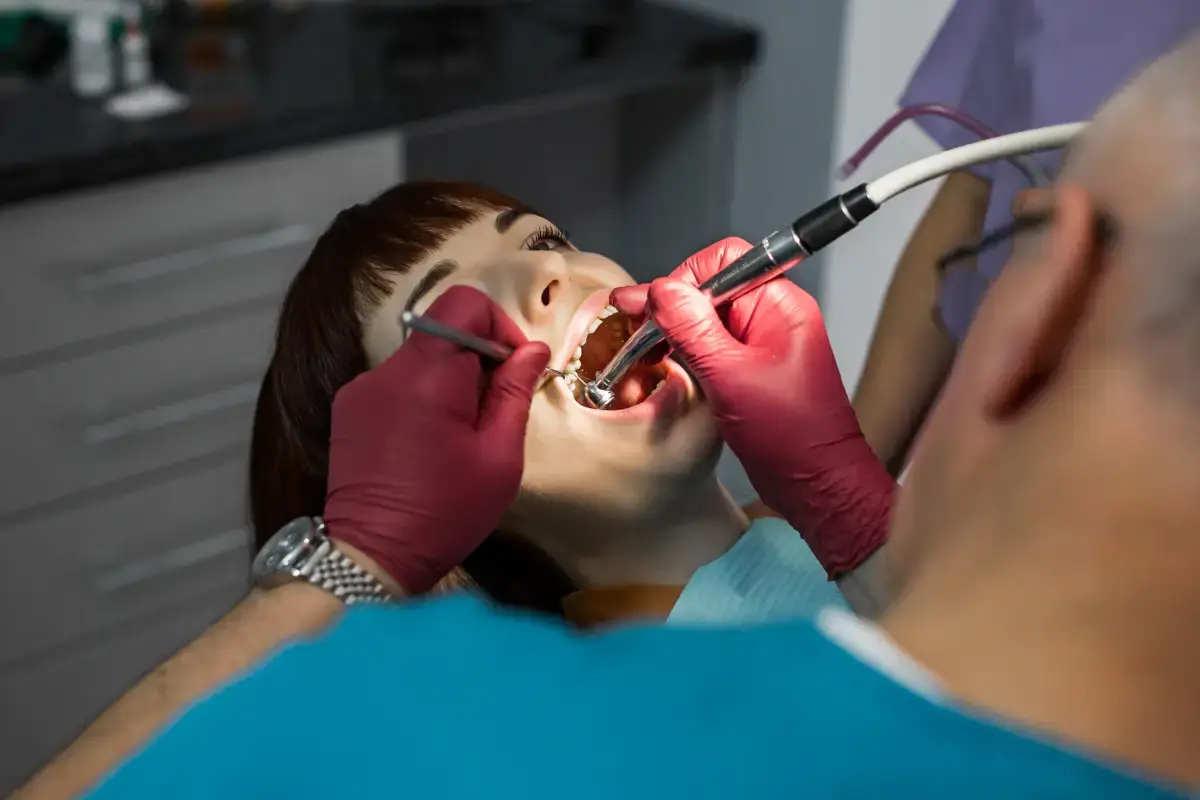
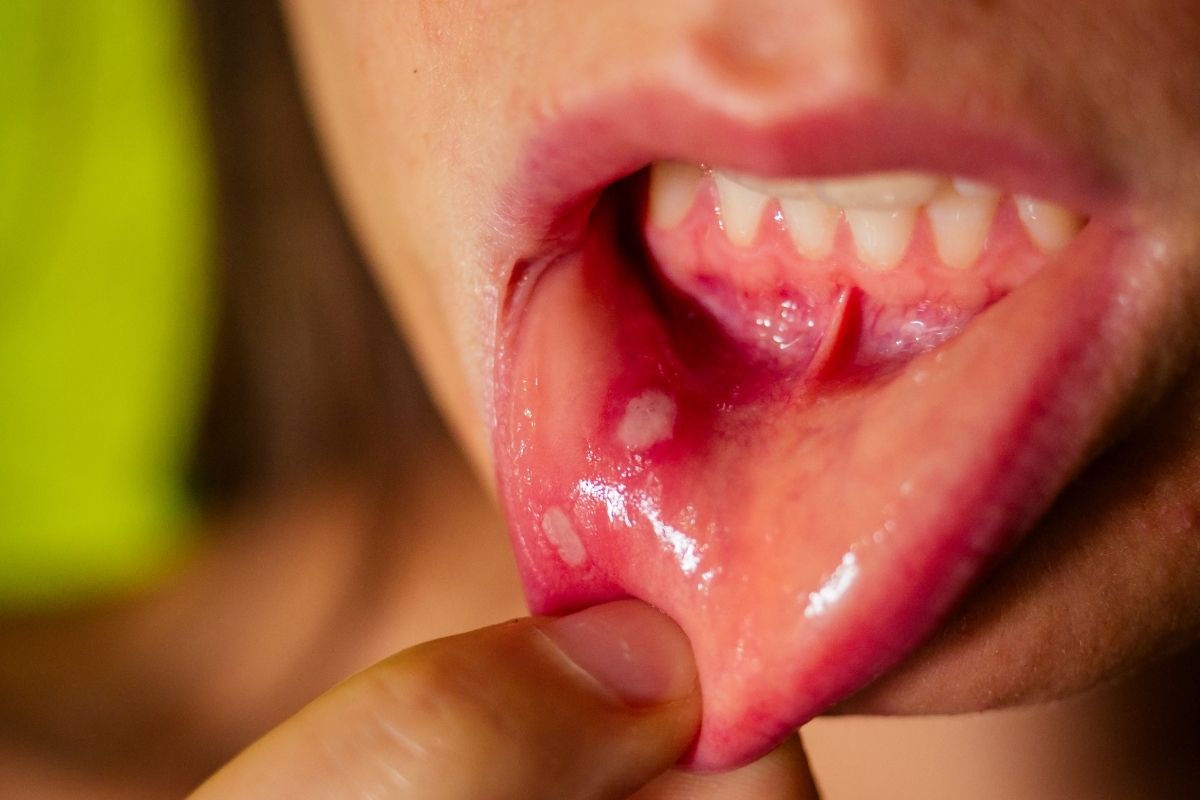
Arrange a dental or medical evaluation if the sticky feeling continues for several weeks, keeps returning, makes eating or speaking difficult, or comes with mouth pain, sores, or a persistent change in taste. An oral health specialist can check for oral causes, review possible contributing factors, and help determine whether medical follow up is appropriate.
If you also have persistent excessive thirst or frequent urination, tell a healthcare professional rather than assuming the problem is simply dehydration.
Frequently Asked Questions
1. Can I have a sticky mouth even if I drink enough water?
Yes. Medication effects, mouth breathing, and reduced saliva production can cause symptoms even when fluid intake is adequate.
2. Is a sticky mouth the same as dry mouth?
They can overlap. Dry mouth describes the sensation of inadequate moisture, while some people notice thick or sticky saliva instead.
3. Can a sticky mouth damage my teeth?
It can raise the risk of decay if low saliva levels persist because saliva helps clear food debris and neutralize acids.
4. Should I use mouthwash for relief?
Choose an alcohol free product intended for dry mouth. Some conventional mouthwashes may aggravate dryness.
Take the First Step Toward a More Comfortable Mouth
You do not have to keep guessing why the sticky feeling returns. Aspen Hill General and Cosmetic Dentistry can help assess oral symptoms and discuss suitable next steps for patients in Silver Spring, MD. Explore guidance from a trusted local dentist and schedule an appointment when persistent discomfort needs attention. If you are getting familiar with the area before planning a visit, you can also explore the surrounding neighborhood and nearby landmarks.