

Most people schedule regular dental visits to keep their teeth clean and prevent cavities, but those appointments do much more than protect your smile. Your dentist also looks for early signs of oral diseases, including oral cancer. Because oral cancer often develops without pain or obvious symptoms, routine dental exams can play an important role in detecting it early.
One of the easiest ways to stay proactive about your health is by scheduling regular oral cancer checkup. These screenings are quick, painless, and designed to identify unusual changes in the mouth before they become more serious. Whether you have known risk factors or simply want peace of mind, early detection is one of the best tools for protecting your health.
What Is Oral Cancer?
Oral cancer is a type of cancer that develops in the tissues of the mouth or throat. It can affect the lips, tongue, gums, cheeks, the roof or floor of the mouth, and even the back of the throat. Like many other cancers, oral cancer is much easier to treat when it is found in its earliest stages.
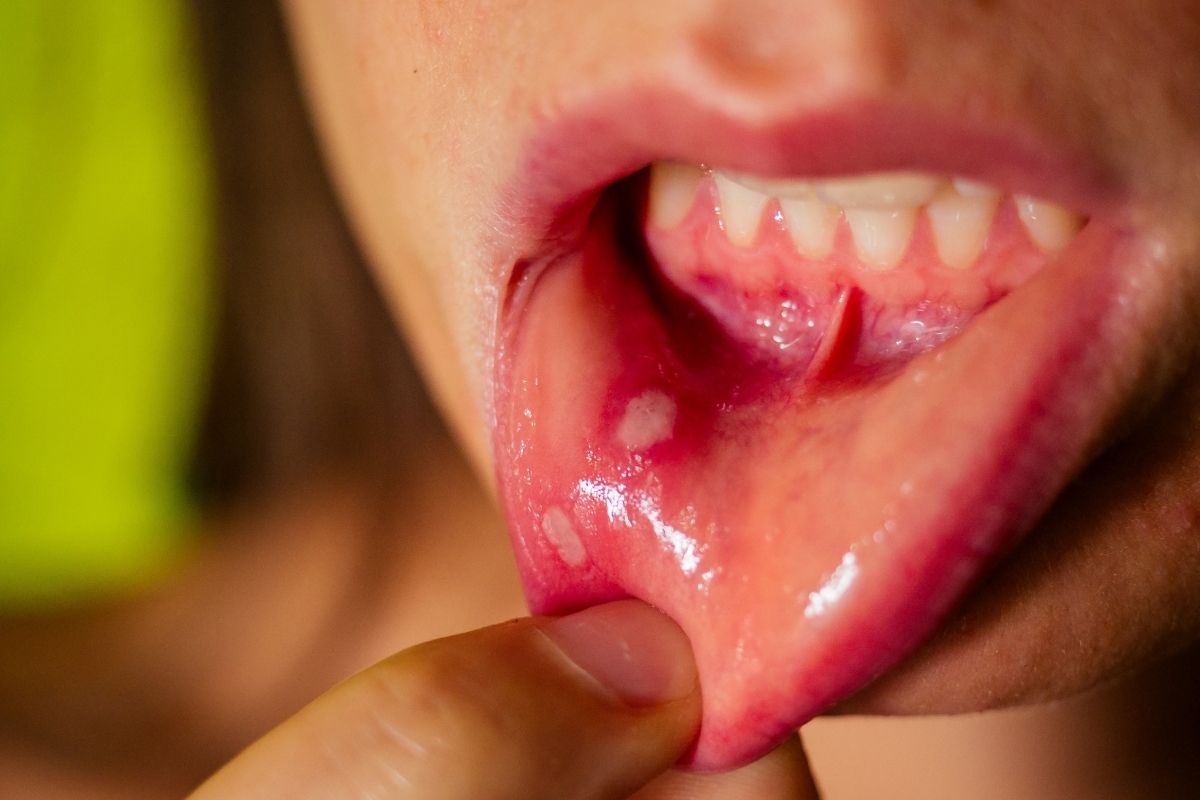
The challenge is that early symptoms can be subtle. A small sore or patch inside the mouth may not seem concerning, causing many people to delay seeking care. Unfortunately, waiting too long can allow the disease to progress. That’s why regular dental checkups are so valuable—they provide an opportunity to detect changes that you may not notice yourself.
Who Is at Risk?
Although oral cancer can affect anyone, certain lifestyle and health factors increase the risk. Tobacco use remains one of the leading causes, but it isn’t the only one. Healthcare professionals have also seen an increase in HPV-related oral cancers over the past several years, particularly among younger adults.
You may have a higher risk if you:
- Smoke cigarettes, cigars, or pipes
- Use chewing tobacco or other smokeless tobacco products
- Drink alcohol frequently or heavily
- Have an HPV infection
- Spend extended time in the sun without protecting your lips
- Have a weakened immune system
- Have a family history of cancer
It’s important to remember that many people diagnosed with oral cancer don’t fit the typical high-risk profile. Even if you don’t smoke or drink, routine screenings remain an important part of preventive dental care.
Know the Early Warning Signs
One reason oral cancer is so dangerous is that it often develops quietly. In many cases, the symptoms are painless at first and may resemble common mouth irritations. Paying attention to changes in your mouth and seeking professional evaluation when something doesn’t seem right can make a significant difference.
Some of the most common warning signs include:
- A mouth sore that doesn’t heal within two weeks
- White, red, or mixed-color patches inside the mouth
- A lump, thickened area, or unusual swelling
- Difficulty chewing or swallowing
- Persistent sore throat or hoarseness
- Numbness in the lips, tongue, or mouth
- Unexplained bleeding in the mouth
- Loose teeth without an obvious dental cause
These symptoms don’t necessarily mean you have oral cancer, but they should never be ignored. A professional evaluation can determine whether further testing is needed.
How Dentists Screen for Oral Cancer
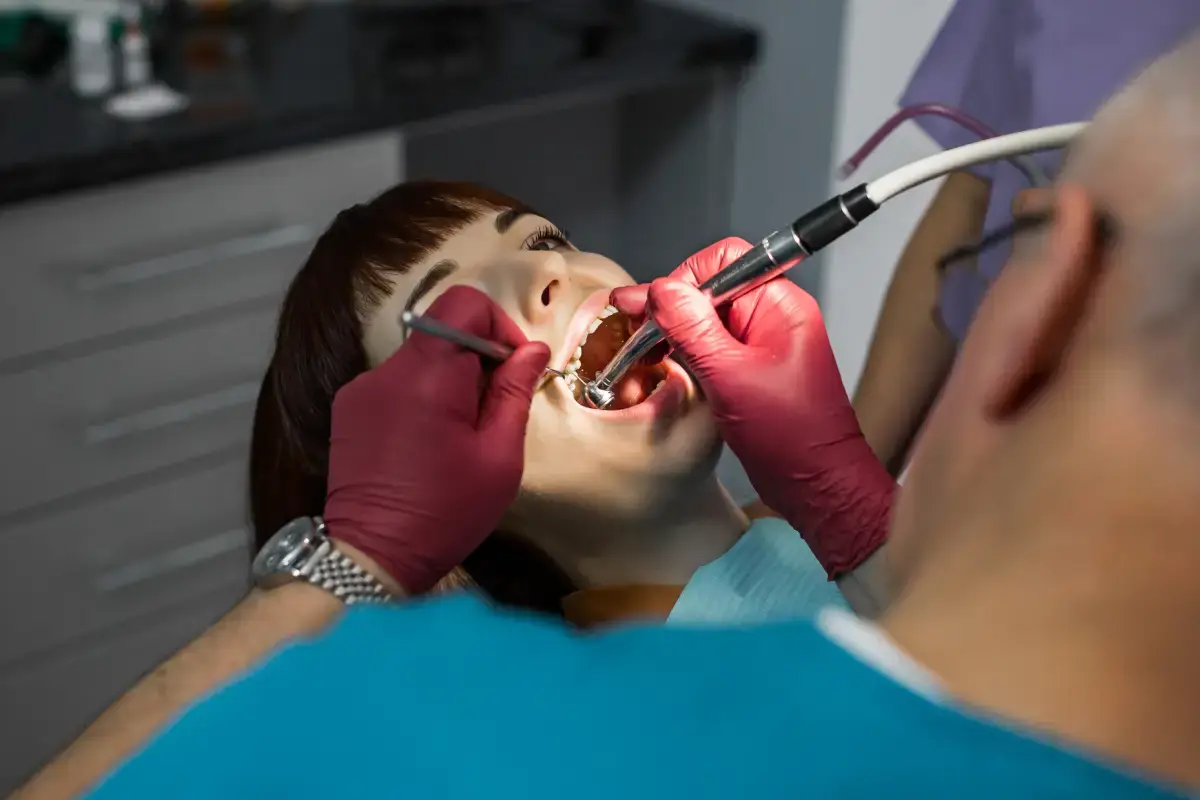
Many patients are surprised to learn that an oral cancer screening is already part of many comprehensive dental exams. The process is simple, non-invasive, and usually takes only a few minutes.
During the screening, your dentist carefully examines your lips, gums, tongue, cheeks, palate, and throat for any unusual changes. They may also gently feel your neck and jaw for swollen lymph nodes or abnormal lumps. If anything appears suspicious, your dentist may recommend monitoring the area or referring you for additional testing.
Because these screenings are fast and painless, they offer an easy way to stay proactive about your health during your regular dental visits.
Reducing Your Risk
While no method can completely eliminate the risk of oral cancer, healthy lifestyle choices can significantly reduce your chances of developing the disease.
Simple habits that help protect your oral health include:
- Avoiding all tobacco products
- Limiting alcohol consumption
- Maintaining excellent oral hygiene
- Eating a balanced diet rich in fruits and vegetables
- Using SPF lip balm when spending time outdoors
- Visiting your dentist every six months for preventive care
These habits support not only your oral health but also your overall well-being.
Protecting Your Health in Silver Spring
Preventive dental care is about much more than keeping your teeth clean. Regular checkups give your dentist the opportunity to identify problems before they become more difficult to treat, including oral cancer.
If you live in Silver Spring or the surrounding communities, staying on top of your routine dental visits can help detect potential oral health concerns before they become serious. At AHGC Dental, we include oral cancer screenings as part of our commitment to preventive care and early detection. Our office is conveniently located in Silver Spring, making it easy for local patients to visit us. Find our office for easy directions before your appointment.
Frequently Asked Questions
1. How often should I have an oral cancer screening?
Most adults should receive an oral cancer screening during their routine dental examination every six months. Patients with higher risk factors may benefit from more frequent evaluations.
2. Is an oral cancer screening painful?
No. The screening is completely painless, non-invasive, and usually takes only a few minutes as part of your regular dental visit.
3. Can oral cancer affect people who don’t smoke?
Yes. While tobacco is a major risk factor, oral cancer can also develop due to HPV, genetics, age, or other factors. Even non-smokers should receive routine screenings.
4. What symptoms should I never ignore?
A sore that doesn’t heal, white or red patches, persistent throat pain, unexplained lumps, numbness, or difficulty swallowing should all be evaluated if they last longer than two weeks.