


Cavities Don’t Always Hurt at First
Many people assume that a cavity will cause severe tooth pain right away. In reality, tooth decay often starts quietly. A cavity can develop for weeks or even months before it becomes painful enough to grab your attention.
Understanding what a cavity actually feels like can help you recognize early warning signs and seek treatment before the problem becomes larger and more expensive to fix.
At Aspen Hill General & Cosmetic Dentistry, we provide comprehensive dental care for individuals and families throughout Silver Spring. Our team regularly helps patients identify and treat cavities in their early stages, often before they progress into more serious dental concerns.
What Is a Cavity?
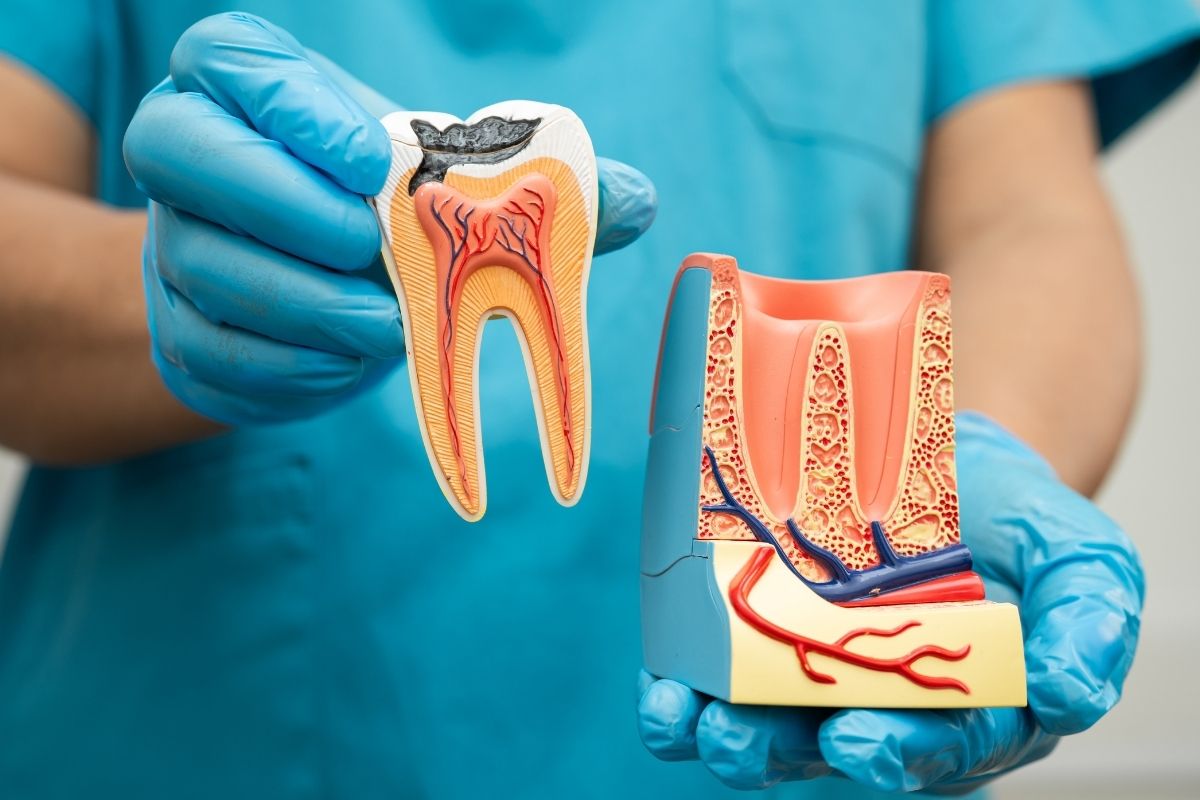
A cavity is a permanently damaged area in a tooth caused by tooth decay. Bacteria in the mouth feed on sugars and starches from food and beverages, producing acids that gradually wear away tooth enamel.
As the decay progresses deeper into the tooth, symptoms may become more noticeable. The sensation you experience often depends on how advanced the cavity has become.
What Does a Cavity Feel Like?
There is no single feeling that every cavity produces. Some cavities cause no symptoms at all, while others create noticeable discomfort.
Common sensations associated with cavities include:
- Sensitivity to cold drinks
- Sensitivity to hot foods or beverages
- Pain when eating sweets
- Sharp discomfort when biting down
- A dull, lingering toothache
- A rough or uneven feeling on the tooth surface
- Food frequently gets stuck in one area
The symptoms often become more pronounced as the decay reaches deeper layers of the tooth.
Early Signs of a Cavity You Shouldn’t Ignore
Mild Tooth Sensitivity
One of the earliest signs of tooth decay is sensitivity. You may notice a brief sharp sensation when drinking ice water, eating ice cream, or consuming hot coffee.
Many people dismiss occasional sensitivity, but it can indicate that enamel is beginning to weaken.
White, Brown, or Dark Spots on a Tooth
A cavity may first appear as a white chalky area where minerals have been lost from the enamel. As decay progresses, the spot can turn brown or dark.
Any new discoloration on a tooth should be evaluated by a dental professional.
Food Getting Trapped More Often
If food repeatedly becomes lodged between the same teeth or inside a small hole, it could indicate that decay has begun to create a cavity.
Mild Pain When Chewing
Even a small cavity can make chewing uncomfortable. You may notice a brief twinge when biting into certain foods.
This type of discomfort often signals that decay has moved beyond the outer enamel layer.
How a Cavity Feels as It Gets Worse
Persistent Toothache
As decay reaches deeper layers of the tooth, discomfort often becomes more frequent.
The pain may occur:
- Without eating or drinking
- During the day or night
- As a constant dull ache
- As occasional sharp pain
A persistent toothache should never be ignored.
Increased Sensitivity
Advanced cavities often cause stronger reactions to temperature changes.
The discomfort may linger for several seconds or even minutes after consuming something hot or cold.
Pain When Biting
When a cavity weakens the structure of a tooth, biting pressure can trigger discomfort. This symptom may indicate deeper decay that requires prompt treatment.
Bad Breath or Unpleasant Taste
Decay can create areas where bacteria collect and multiply. This may contribute to persistent bad breath or an unpleasant taste in the mouth despite regular brushing.
Can You Have a Cavity Without Pain?
Yes.
Many cavities do not cause pain during their earliest stages. In fact, some patients are surprised to learn they have multiple cavities because they never experienced noticeable symptoms.
This is one reason routine dental examinations remain so important. Regular checkups allow dentists to identify decay before it reaches the sensitive inner portions of the tooth.
At Aspen Hill General & Cosmetic Dentistry, Dr. Goorah, Dr. McLaughlin, and Dr. Tam use comprehensive dental evaluations to detect early signs of tooth decay before they become larger problems for our Silver Spring patients.
When Does a Cavity Become an Emergency?
A cavity should be evaluated promptly if you experience:
- Severe tooth pain
- Swelling of the gums or face
- Pain that interferes with sleep
- Sensitivity that continues to worsen
- A visible hole in the tooth
- Signs of infection
When decay reaches the dental pulp, the tooth may require more extensive treatment such as root canal therapy to preserve the natural tooth.
Conditions That Can Feel Similar to a Cavity
Not every sensitive or painful tooth has a cavity. Similar symptoms may result from:
- Worn enamel
- Teeth grinding
- Gum recession
- Cracked teeth
- Dental infections
- Sinus pressure affecting upper teeth
A professional examination is the most reliable way to determine the cause of your symptoms.
How Dentists Diagnose Cavities
Dentists use several methods to identify cavities, including:
- Visual examination
- Dental X-rays
- Assessment of tooth sensitivity
- Evaluation of existing restorations
- Examination of areas prone to plaque accumulation
Early diagnosis often allows for more conservative treatment options.
How Cavities Are Treated
Treatment depends on the extent of decay.
Early Decay
Very early enamel damage may sometimes be managed through preventive measures and fluoride treatments.
Dental Fillings
Most cavities are treated with a dental filling that removes decay and restores the tooth’s shape and function.
Dental Crowns
Larger cavities may require a dental crown when significant tooth structure has been compromised.
Root Canal Therapy
If decay reaches the tooth’s nerve, root canal treatment may be necessary to eliminate infection and preserve the tooth.
Quick Answers About Cavity Symptoms
What is usually the first sign of a cavity?
Tooth sensitivity, especially to cold foods and beverages, is often one of the earliest signs.
Can a cavity come and go?
The decay itself does not come and go, but symptoms may fluctuate depending on what you eat and how advanced the cavity becomes.
Does every cavity cause a hole in the tooth?
No. Many cavities begin beneath the surface and may not create a visible hole until they become larger.
How long can a cavity go untreated?
A cavity will continue to progress over time. The speed varies depending on oral hygiene habits, diet, and individual risk factors.
Schedule a Dental Consultation if You Notice Cavity Symptoms
If you have noticed tooth sensitivity, discomfort when chewing, tooth discoloration, or other potential signs of tooth decay, scheduling a dental evaluation can help prevent the problem from becoming more serious.
At Aspen Hill General & Cosmetic Dentistry, Dr. Goorah, Dr. McLaughlin, and Dr. Tam provide comprehensive cavity detection and treatment for patients throughout Silver Spring and surrounding communities. Conveniently located in the Truist Bank building at the intersection of Connecticut Avenue and Georgia Avenue, we proudly serve patients from Aspen Hill, Glenmont, Layhill, and nearby areas.
Our team can identify the cause of your symptoms, assess the health of your teeth, and recommend the most appropriate treatment to protect your oral health. Contact our office today to schedule a dental consultation and take the next step toward a healthier smile.
Recognizing Cavity Symptoms Early Can Protect Your Smile
Cavities often begin with subtle symptoms that are easy to overlook. Mild sensitivity, occasional discomfort, or changes in the appearance of a tooth may seem minor, but they can indicate early tooth decay. Understanding what a cavity actually feels like allows you to seek care before the damage progresses. Prompt diagnosis and treatment not only help preserve your natural teeth but can also reduce the need for more extensive procedures in the future.