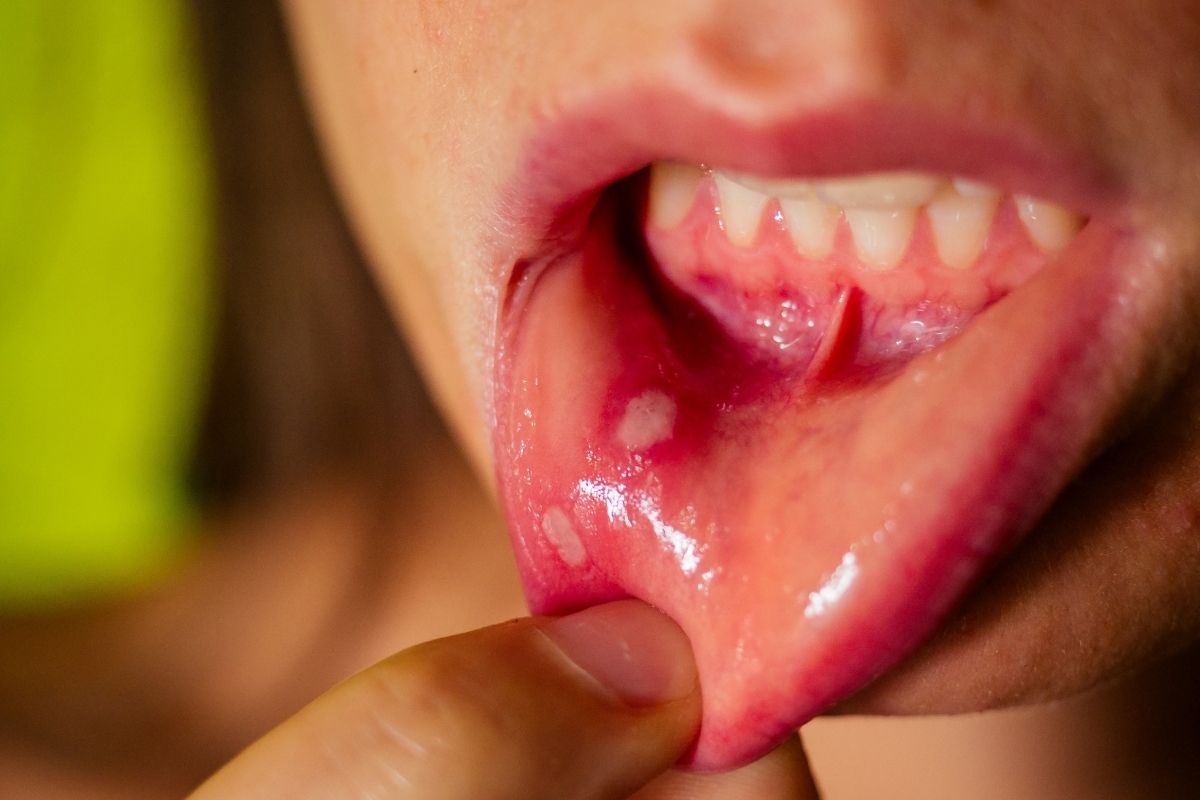



You notice it while brushing. A small white patch on one of your teeth that you are not sure was there before. It is not painful, and it does not feel like anything. But it is there, and now you cannot stop looking at it.
That moment of noticing is more common than most people realize. White spots can appear for several different reasons, and what they mean can range from completely harmless to early decay that is worth addressing before it progresses. The challenge is that many of these spots look similar, which makes it difficult to tell what is actually going on just by looking in the mirror.
Not All White Spots Are the Same
The first thing to understand is that a white spot describes how something looks, not what it is. Appearance alone does not tell you the cause.
Two spots that look very similar can have completely different explanations. That distinction matters because it determines whether anything needs to be done and what the next step should be.
What all white spots have in common is a change in how light passes through the enamel. Healthy enamel has a dense, well-organized mineral structure that gives it strength and a slightly translucent appearance. When that structure is disrupted, the area appears more opaque or chalky. The cause of that disruption is what separates one type of white spot from another.
If you are unsure what you are seeing, having it evaluated by a dentist is the most reliable way to understand the cause. At Aspen Hill General & Cosmetic Dentistry, we offer routine screenings for people in the Silver Spring area. Our team, including Dr. Goorah, Dr. McLaughlin, and Dr. Nguyen, focuses on providing care that is convenient and easily accessible when you need it.
If you would like to have a white spot evaluated or simply want clarity about what you are noticing, you can call us at: (301) 460-1212.
When a White Spot Is Early Decay
This is what most people worry about, and it is a valid concern.
One of the earliest signs of tooth decay is a white spot lesion. This happens when acids produced by bacteria begin to dissolve minerals from the enamel, a process known as demineralization.
At this stage:
- The enamel surface may still be intact
- There is no visible cavity or hole
- The area may not feel different to your tongue
However, beneath the surface, the enamel structure has started to weaken.
If this process continues, the enamel can eventually break down and form a cavity. If it is caught early, it is often possible to stop the process and, in some cases, even reverse some of the damage through remineralization.
This is why early detection matters. A spot that looks minor and causes no discomfort can still be actively progressing.
Other Causes of White Spots on Teeth
Fluorosis: A Developmental Cause
Fluorosis develops when a child is exposed to too much fluoride while their permanent teeth are still forming.
Once the teeth come in, fluorosis may appear as:
- Faint white streaks
- Small white spots
- In more noticeable cases, a mottled appearance
It is important to know that fluorosis is cosmetic, not harmful. The enamel is not weaker or more prone to decay.
Because it develops during childhood, fluorosis cannot be caused by fluoride exposure as an adult. If a white spot appears later in life, this is not the likely cause.
Enamel Hypoplasia
Enamel hypoplasia occurs when enamel does not fully develop during tooth formation.
Possible causes include:
- Nutritional deficiencies
- Illness during early childhood
- Premature birth
- Certain medications
- Trauma to a baby tooth affecting the developing permanent tooth
Its appearance can vary:
- White or yellowish spots
- Visible grooves or pits in the enamel
- Localized areas affecting specific teeth
Unlike fluorosis, which often appears in patterns across multiple teeth, hypoplasia may affect only one or a few teeth.
These areas can be more sensitive and more prone to decay because the enamel is thinner or incomplete.
White Spots After Braces
This often surprises people.
After orthodontic treatment, white spots may appear on teeth that looked normal before. These are usually caused by plaque buildup around the edges of brackets during treatment.
Over time, acids from that plaque can demineralize the enamel in those areas. The damage becomes visible once the brackets are removed.
These spots are:
- A form of early demineralization
- Often located where brackets were placed
- Sometimes able to improve over time
- Occasionally in need of treatment
This highlights the importance of consistent oral hygiene during orthodontic care.
How a Dentist Tells the Difference
A dentist looks at several factors to determine the cause of a white spot:
- Location: Spots near the gum line may suggest plaque-related demineralization. Symmetrical patterns across teeth often point to developmental causes.
- Texture: Demineralized enamel may feel slightly rough. Developmental spots are usually smooth.
- Timeline: A spot present since childhood suggests a developmental cause. A recently noticed spot may indicate an active process.
These details, combined with a clinical exam, help provide a clear diagnosis.
When to Get It Checked
Not every white spot requires urgent care, but some situations should be evaluated sooner rather than later:
- A new spot that you have not noticed before
- Spots near the gum line or in plaque-prone areas
- A rough or chalky texture
- Increased sensitivity to cold or sweets
- Any visible breakdown in the enamel
White spots in children should also be evaluated, even if they seem minor.
What Can Be Done About White Spots
Treatment depends on the cause and severity. While white spots may seem simple, they often require a closer evaluation to understand what is actually going on.
At Aspen Hill General & Cosmetic Dentistry, the focus is on identifying the underlying cause rather than offering a general response. For patients across the Silver Spring area, this involves evaluating the location, appearance, and history of the spot to determine the most likely explanation.
From there, the next step becomes clear. It may be something that requires treatment, something to monitor over time, or something that can be improved for cosmetic reasons.
If you have noticed a white spot and are unsure what it means, it is worth having it evaluated sooner rather than later. You are welcome to schedule a consultation with our team to get clear answers and guidance on the next steps.
For directions, you can view our office location on the map here.
The Bottom Line
A white spot on a tooth is not always a sign of decay, but it is also not something to ignore. Some spots are early decay that can be managed effectively when caught early. Others are developmental and harmless. Some appear after orthodontic treatment and may improve over time or benefit from treatment. What matters most is understanding which one you are dealing with. That clarity allows you to take the right next step instead of guessing.