

A patch inside the mouth can raise questions, especially when it appears suddenly or does not go away as expected. Some changes are harmless and resolve on their own, while others benefit from a closer look to understand what is happening.
People often notice these areas during everyday activities like brushing or eating, which makes it useful to recognize what is typical and what may need attention.
In Silver Spring, these concerns are commonly brought up during routine dental visits rather than urgent appointments. At Aspen Hill General & Cosmetic Dentistry, discussions about mouth patches are often part of regular checkups. Our dentists, Dr. Goorah, Dr. McLaughin, and Dr. Tam, pay close attention to small changes in the mouth during routine care, even when they are not causing discomfort.
It is common for someone to mention a spot noticed a few days earlier or an area that feels slightly different but is not painful. In many situations, the cause is minor. In others, it becomes something worth monitoring more closely. Addressing these changes early often helps reduce uncertainty and provides a clearer understanding of what is typical and what may need further evaluation.
What Counts as a “Mouth Patch”?
A mouth patch refers to any area inside the mouth that looks or feels different from the surrounding tissue. These can appear on the tongue, inner cheeks, gums, lips, or roof of the mouth.
They may show up as:
- White or pale areas
- Red or darker spots
- Thickened or rough patches
- Flat or slightly raised regions
- Areas with tenderness or sensitivity
Harmless Mouth Patches: What They Usually Look Like
Many patches are linked to everyday causes and tend to resolve once the source is removed or given time to heal.
Friction or Irritation
Repeated contact from a tooth edge, dental appliance, or cheek biting can create a localized patch.
Common signs:
- Appears where rubbing occurs
- Texture may feel slightly thick or rough
- Does not spread or change quickly
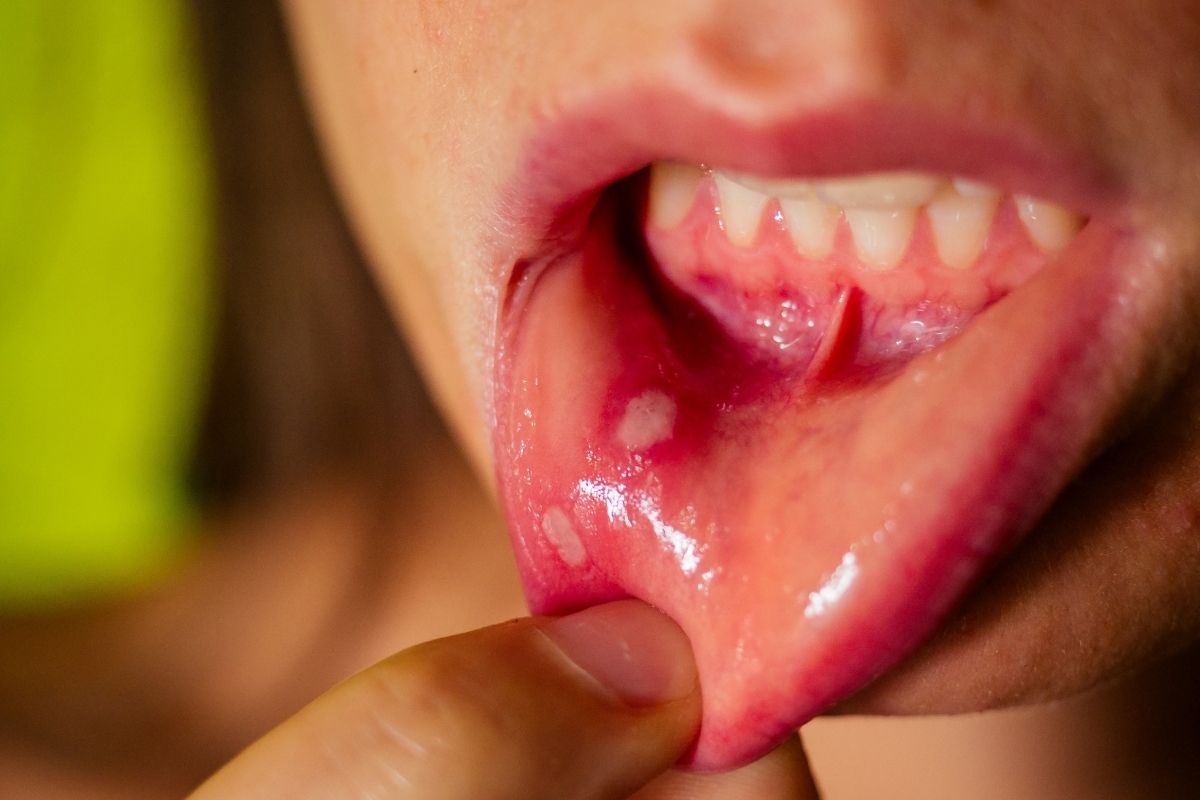
Minor Sores or Ulcers
Small sores can develop from minor injuries or temporary sensitivities.
Common signs:
- Round or oval shape
- White or yellow center with a red outline
- Improves within 1–2 weeks
Heat-Related Irritation
Hot foods or drinks can temporarily affect the surface of the mouth.
Common signs:
- Appears shortly after exposure
- Feels tender or slightly raw
- Heals within a few days
Temporary Surface Changes
Diet, hydration, and oral hygiene habits can influence how tissues appear.
Common signs:
- Widespread rather than isolated
- Improves with routine care
When a Mouth Patch May Be Concerning
Some patches do not follow the usual pattern of healing. These are the ones that benefit from professional evaluation.
If you notice any of the signs mentioned below, it is reasonable to speak with a dentist and have the area examined. For those in and around Silver Spring, our office is available for appointments, including extended hours for added convenience. You can contact the office at (301) 460-1212 to arrange a visit.
Persistent White Areas
White patches that cannot be wiped away and remain over time should be examined.
What to notice:
- Lasts longer than two weeks
- Feels thicker than the surrounding tissue
- Does not improve
Red or Mixed Patches
Red or combined red-and-white areas may signal changes beneath the surface.
What to notice:
- Bright or uneven color
- Smooth or slightly velvety texture
- May or may not be painful
Changes Over Time
Any patch that evolves in appearance is worth attention.
What to notice:
- Growth in size
- Irregular shape or borders
- New sensitivity or bleeding
Sores That Don’t Heal
A sore that lingers without improvement should not be ignored.
What to notice:
- Persists beyond two weeks
- Feels firm or unusual
- Reappears in the same location
Why Timing Matters
The tissues inside the mouth typically heal quickly. When something remains unchanged, it can indicate that further evaluation is needed.
Routine dental visits include a visual and physical assessment of the mouth, which helps identify changes early. This process is straightforward and often provides reassurance when the finding is harmless, or clarity when follow-up is needed.
Want to learn about us?
We are a dental office located in the Aspen Hill area of Silver Spring, offering general and cosmetic dental care. We provide same-day appointments and flexible payment options to make visits more accessible. Our dentists take a conservative, personalized approach, focusing on helping you understand your treatment options in a way that fits your needs and day-to-day routine.
If you’re considering a visit, you can schedule a consultation with us to discuss your concerns and explore what care may be appropriate for you.
What Happens During an Oral Check
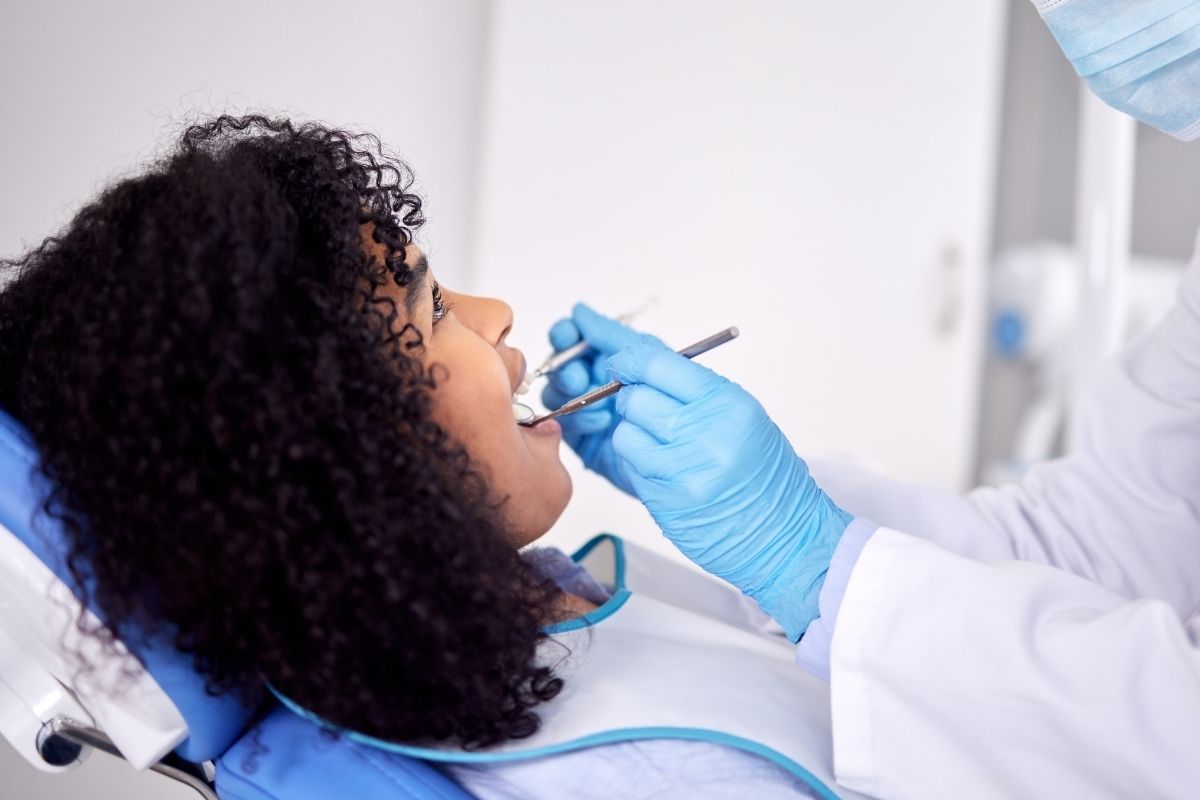
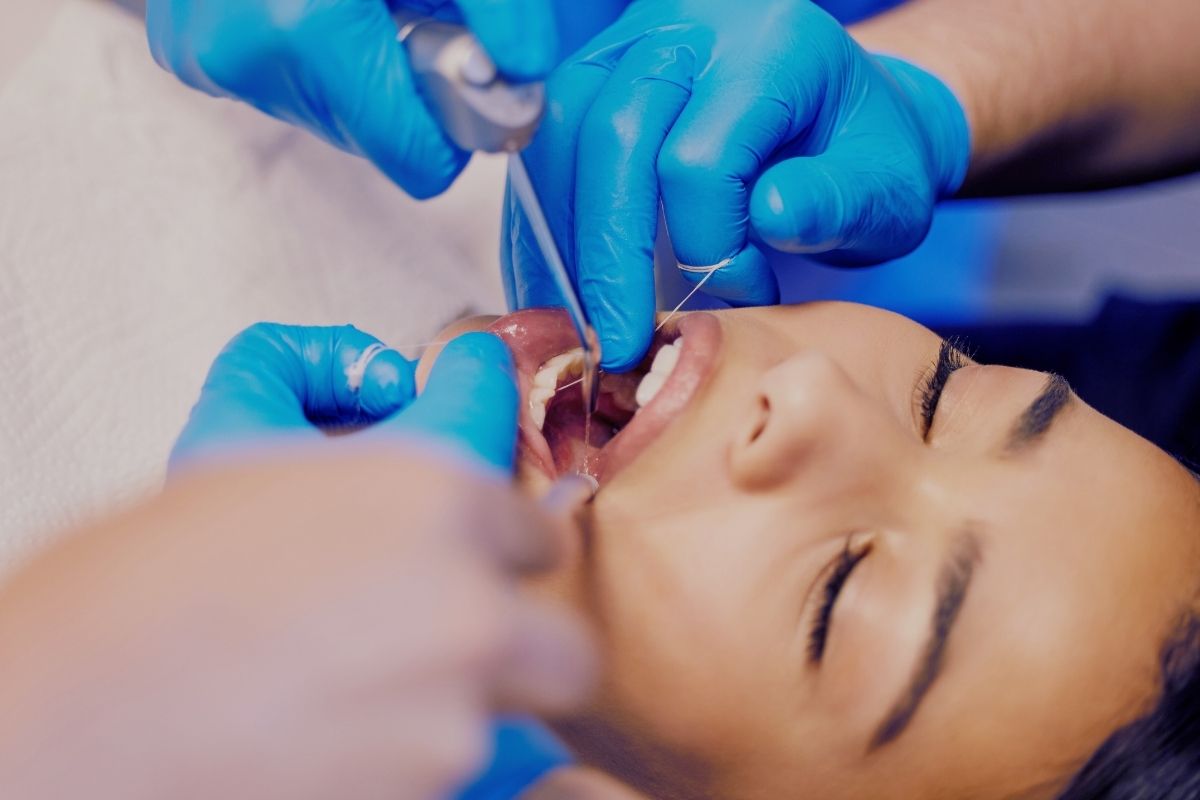
During a regular visit to our office, a member of our team reviews the soft tissues as part of the overall exam.
This includes:
- Looking at the tongue, cheeks, gums, and surrounding areas
- Noting any differences in color or texture
- Gently checking any areas that stand out
- Determining whether monitoring or further steps are appropriate
These checks are brief but help in understanding whether a patch follows a typical pattern or may need closer attention.
When to Have It Checked
It may be time to schedule a visit if you notice:
- A patch lasting longer than two weeks
- Changes in size, shape, or color
- Discomfort while eating or speaking
- Unexplained bleeding or numbness
- A sore that keeps returning
A Practical Way to Think About It
Most mouth patches are temporary and tied to everyday causes. With a little time or removal of the source of irritation, they often settle on their own.
What tends to matter more is the pattern. Areas that remain unchanged, gradually shift in appearance, or feel different from surrounding tissue are worth paying closer attention to. Recognizing that difference helps separate what is likely routine from what may need a more careful look.