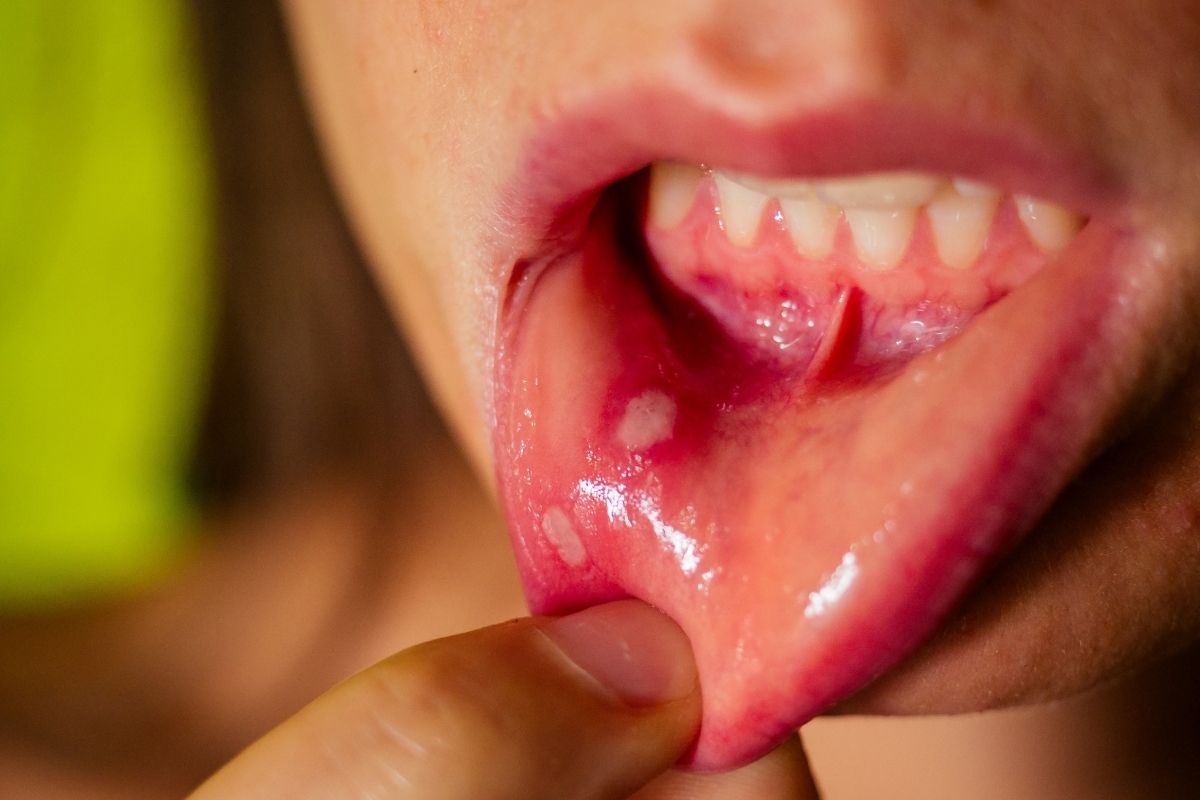



A bad taste in your mouth can be easy to dismiss. Many people assume it comes from food, coffee, or temporary dryness. When the taste lingers or returns often, it may point to an underlying oral health issue. In many cases, the mouth gives early signals when something is not right. Paying attention to these changes can help protect long-term dental health.
A persistent unpleasant taste does not always mean a serious condition. Still, it should not be ignored, especially when it appears without a clear cause.
As a dental office in Silver Spring, MD, Aspen Hill General & Cosmetic Dentistry works with individuals to support everyday oral health. Our team of dentists sees a wide range of concerns, from routine cleanings to more complex dental conditions. Questions about taste changes, gum health, and infections often come up during regular dental visits. These symptoms are common, but they deserve careful evaluation to rule out dental causes.
Common Dental Causes of a Bad Taste in the Mouth
Several oral health issues can affect taste. Some develop slowly and may not cause pain right away.
Gum Disease
Gum disease is one of the most common dental reasons for a bad taste. Bacteria collect below the gumline and release toxins. These toxins can create a metallic or bitter taste. Bleeding gums, swelling, and bad breath often appear alongside it.
Tooth Decay and Cavities
Cavities allow bacteria to settle inside the tooth. As decay progresses, it can produce a foul taste. This taste may become more noticeable after eating or drinking. In some cases, it appears before pain begins.
Dental Infections or Abscesses
An infection in the tooth or gums can cause pus to drain into the mouth. This often leads to a strong, unpleasant taste. Swelling, pressure, or sensitivity may also occur. Dental infections require prompt professional care.
Poor Oral Hygiene
Plaque buildup on teeth and the tongue can affect taste. When brushing and flossing are inconsistent, bacteria multiply. This can lead to both bad breath and a lingering taste.
Dental Restorations or Appliances
Older fillings, crowns, or dental appliances can sometimes trap bacteria. If they no longer fit well, they may contribute to changes in taste. Regular dental exams help identify these issues early.
Non Dental Factors That Can Play a Role
Not all taste changes come from the teeth or gums. Dry mouth, sinus infections, and acid reflux can also affect taste. Certain medications may cause temporary changes as well. A dental exam helps determine whether the source is oral or related to another condition.
When Should You Seek Professional Help?
If the poor taste persists for more than a day or two, it’s time to pay attention. A one-off experience with bad taste is usually nothing to worry about. However, consistent bad taste could be a dental warning sign. Here are some signs to watch for:
- Pain: If the bad taste is accompanied by tooth pain or gum sensitivity, it could indicate tooth decay, gum disease, or an infection.
- Swelling: Swollen gums or face could signal an abscess or infection.
- Bleeding: Gums that bleed when brushing or flossing could indicate gum disease or an infection.
- Fever: If you’re running a fever along with the bad taste, you may have an oral infection requiring urgent care.
In these situations, scheduling an appointment with a dentist is the best next step. A thorough examination can help identify the underlying cause and determine the most appropriate treatment.
In Silver Spring, we provide routine dental care to help address the causes of persistent bad breath related to oral health. Our care is tailored to individual needs based on exam findings. If you are looking for a dentist in the area, we encourage you to contact us for more information or to schedule a visit.
Our office is located in the Aspen Hill area of Silver Spring, and we welcome individuals from surrounding neighborhoods and nearby communities.
Tips to Maintain Oral Health and Avoid a Bad Taste
Preventing this issue starts with maintaining good oral hygiene. Here are some tips to help you maintain your mouth health and freshness:
- Brush twice daily: Use fluoride toothpaste and a soft-bristle brush. Be sure to brush your tongue too, since bacteria can build up there.
- Floss daily: Flossing clears away debris and plaque lodged between teeth and below the gumline.
- Use mouthwash: An antibacterial mouthwash can help kill bacteria and freshen your breath.
- Drink water: Stay hydrated to promote healthy saliva production, which helps wash away bacteria and food particles.
Paying Attention to Oral Health Signals
The mouth often gives early warnings when something is wrong. A bad taste may seem minor, but it can be meaningful. Understanding the possible dental causes helps guide the next steps. Consistent oral care and regular dental checkups remain key to maintaining a healthy mouth and preventing future complications.