

Back teeth don’t get nearly as much attention as the front ones, but they do most of the heavy lifting when it comes to chewing. So when one or more molars go missing, the effects can show up in ways that are easy to overlook at first, like changes in how you chew, occasional jaw discomfort, or teeth nearby slowly starting to shift. A partial denture is one of the most common and effective ways to address this kind of gap.
At Aspen Hill General and Cosmetic Dentistry, patients often have questions about the best way to replace several missing teeth without restoring an entire arch. Understanding how a partial denture works, and what it can realistically do, makes choosing the right solution much less overwhelming.
Why Losing Back Teeth Matters More Than It Seems
Front teeth are used for biting and cutting food, but molars are built for grinding and breaking food down before you swallow. Losing even one or two of them can shift more of that workload onto the remaining teeth, which can lead to extra wear over time. Many people also start favoring one side of their mouth to chew, which can eventually contribute to jaw discomfort or an uneven bite. A missing adult tooth in the back of the mouth might not be as visible when you smile, but its absence is often felt with nearly every meal.
What Exactly Is a Partial Denture?
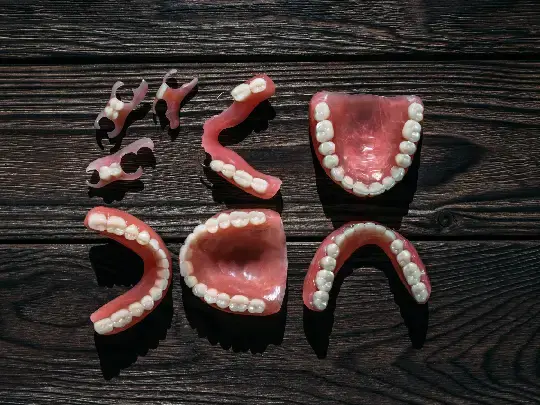
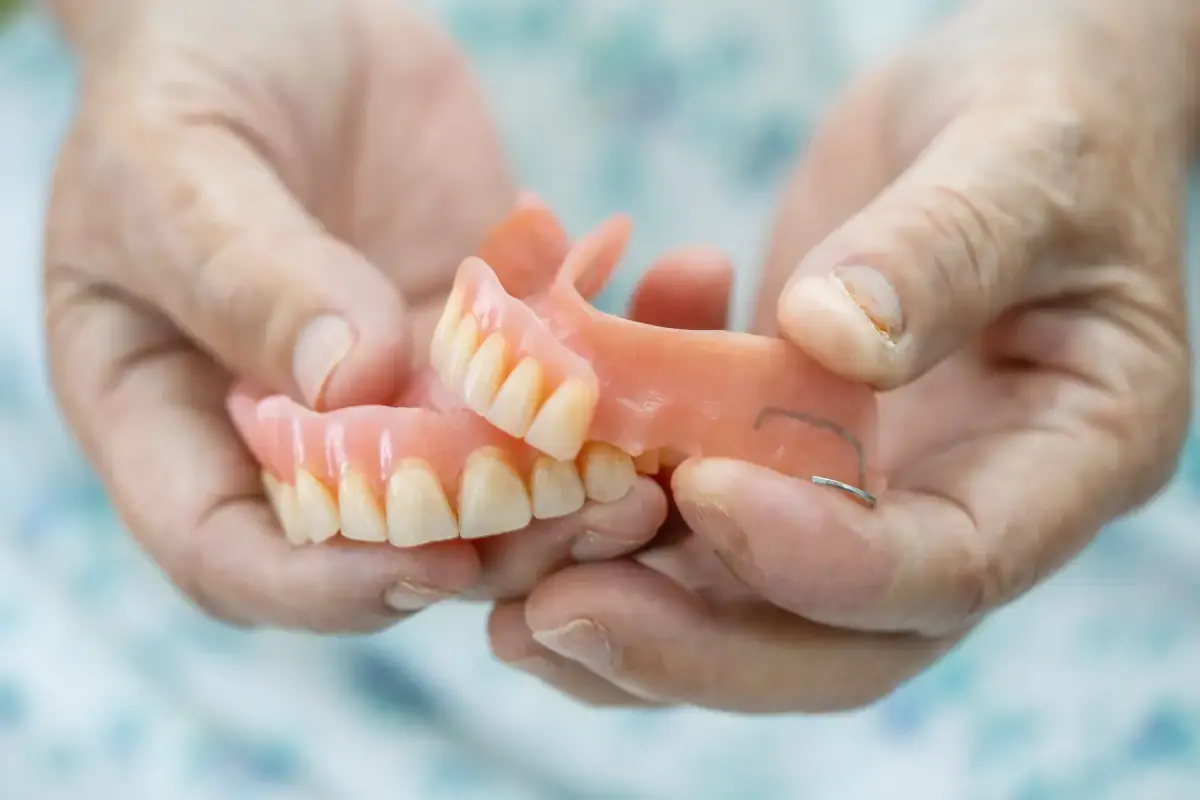
A partial denture is a removable appliance designed to fill in the space left by one or more missing teeth, typically when some natural teeth still remain in the mouth. It’s custom-made to match the color and shape of your natural teeth, using a combination of a gum-colored base and clasps or attachments that hold it securely in place against your existing teeth. Unlike a full denture, which replaces an entire arch, a partial is designed specifically to fill the gaps that are actually there.
How It Helps With Everyday Function
One of the biggest benefits of dental dentures like this is restoring your ability to chew evenly on both sides of your mouth again. This can ease strain on the teeth and jaw joint that were previously picking up the slack. A partial also helps prevent nearby teeth from drifting into the empty space, which, left unaddressed, can lead to bite problems and make future missing tooth treatment more complicated. Many people also notice an improvement in speech clarity, particularly if the missing teeth had been affecting certain sounds.
If you’re missing one or more back teeth and want to understand your replacement options, schedule an appointment with our team for a personalized evaluation. We’ll help you determine whether a partial denture is the right solution for your smile.
What to Expect With Getting One
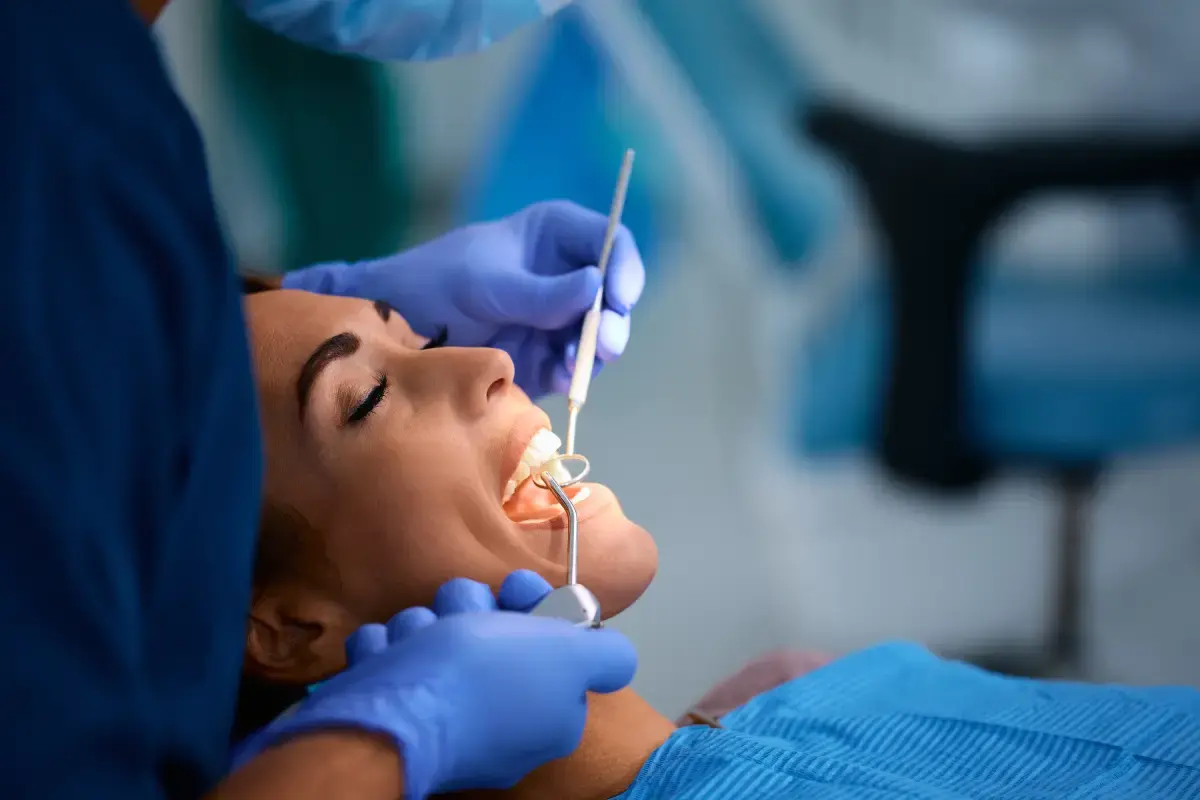
The process usually starts with an evaluation of your remaining teeth and gums to determine whether a partial is a good fit for your situation. Impressions or digital scans are taken to ensure the appliance fits precisely and comfortably. Once it’s ready, adjustments are often made over the first few visits to fine-tune the fit, since a well-fitted partial should feel secure and shouldn’t rub or shift uncomfortably during normal use.
There’s usually a short adjustment period as you get used to wearing it, particularly when it comes to speaking and eating certain foods, but most people adapt within a couple of weeks.
Caring for a Partial Denture
Partials should be removed and cleaned daily, separately from brushing your natural teeth, using a soft brush and a cleanser designed specifically for dentures. It’s also important to keep the remaining natural teeth and gums clean, since those areas are still very much at risk for decay and gum disease. Most partials are also removed at night to give your gums a chance to rest.
Is a Partial the Right Option for You?
A partial denture tends to work well for people who have several remaining healthy teeth and are looking for a removable, cost-effective way to restore missing back teeth. It’s worth noting that other options exist too, including fixed bridges or implant-supported replacements, depending on your bone health, budget, and how many teeth are missing. A thorough exam is the best way to determine which route makes the most sense for your particular mouth.
Restore Your Bite with the Right Solution
Missing back teeth can make everyday activities like chewing and speaking more difficult than many people expect. Replacing those teeth early can help restore function, prevent neighboring teeth from shifting, and support your long-term oral health. At Aspen Hill General and Cosmetic Dentistry, we’re committed to helping patients throughout Silver Spring, MD understand their tooth replacement options and choose the solution that best fits their needs. Visit our Silver Spring dental office to learn more about restoring your smile.
FAQs
Can a partial denture replace just one missing back tooth?
Yes. A partial denture can replace one or several missing teeth while keeping your remaining natural teeth in place.
How long does it take to get a partial denture?
Most patients receive their custom partial denture within a few weeks after impressions or digital scans are taken.
Will a partial denture make it easier to chew?
Yes. Replacing missing back teeth helps distribute chewing forces more evenly, making eating more comfortable.
Can I sleep with a partial denture?
Most dentists recommend removing it at night to allow your gums to rest and to keep the appliance clean.
How do I clean a partial denture?
Remove it daily and clean it with a soft brush and a denture cleanser. Continue brushing and flossing your remaining natural teeth as usual.