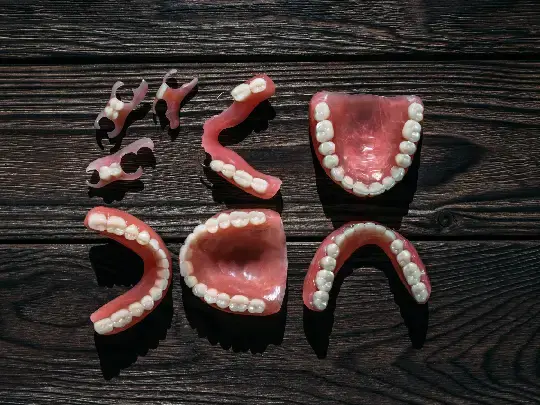



A dental bridge is meant to feel like a natural part of your mouth, stable enough that you forget it’s even there. So when it starts to feel a little off, whether that’s a slight wobble, a gap that wasn’t there before, or a strange feeling when you bite down, it’s easy to brush it off at first. But a loose dental bridge is usually a sign that something underneath has changed, and it’s worth paying attention to before it turns into a bigger problem.
Bridges are built to last for years, sometimes over a decade, but they still rely on a strong foundation to stay put. At Aspen Hill General and Cosmetic Dentistry, we regularly help patients restore missing teeth with a fixed replacement option that looks and functions like a natural smile. Even so, any restoration should be checked if it begins to feel different. Here’s what to look out for and why it happens.
Why a Bridge Can Start to Feel Loose
A dental bridge is anchored by the teeth (or implants) on either side of the gap it’s filling. Those anchor points, called abutments, are what keep the whole bridge stable. If something changes with those supporting teeth, whether that’s decay forming underneath the crown, gum recession, or a weakening of the bone that holds the tooth in place, the bridge can lose some of its grip.
Cement can also naturally wear down over the years, especially with regular chewing and exposure to hot and cold foods. In some cases, the bridge itself is still in good shape, but the seal holding it in place has simply worn thin.
Signs Your Bridge May Need to Be Looked At
A few common warning signs tend to show up before a bridge fails completely:
- A visible gap between the bridge and your gum line that wasn’t there before
- Movement or rocking when you bite, chew, or press on it with your tongue
- Food constantly getting trapped underneath the bridge, even after brushing and flossing
- A change in your bite, like your teeth not quite meeting the way they used to
- Sensitivity or discomfort near one of the supporting teeth
- A bad taste or odor near the bridge, which can indicate decay or bacteria buildup underneath
Any one of these on its own might not be an emergency, but together they’re a good indication that it’s time for an evaluation.
What Happens If a Loose Bridge Is Left Untreated
It can be tempting to wait it out, especially if there’s no pain involved. But a bridge that continues to shift can put uneven pressure on the surrounding teeth and gums, which sometimes leads to further bone loss underneath. If decay is developing beneath one of the supporting crowns, it can spread without any obvious symptoms until it becomes more serious. Catching a loose bridge early almost always means a simpler, less invasive fix.
If your bridge feels loose, shifts while chewing, or no longer fits comfortably, schedule an evaluation with our team. Identifying the cause early can often prevent more extensive treatment.
When a Dental Bridge May Need to Be Repaired or Replaced
Beyond the day-to-day signs of looseness, there are a few longer-term dental bridge replacement signs worth keeping an eye on: a bridge that’s over 10 to 15 years old, visible wear or thinning on the biting surface, recurring discomfort in the same area, or repeated instances of the bridge needing to be re-cemented. None of these mean a bridge has failed, but they’re all good reasons for a closer look at your next visit.
What the Fix Usually Involves
Depending on what’s causing the looseness, the solution might be as simple as re-cementing the existing bridge, or it might involve addressing decay on one of the supporting teeth first. In cases where the abutment teeth are too compromised to support a bridge anymore, your dentist may discuss other options, like an implant-supported replacement. The right fix really depends on what’s happening underneath, which is why an exam and imaging make such a difference.
Protect Your Smile by Addressing Bridge Problems Early
A dental bridge should feel secure and comfortable every time you eat, speak, or smile. If you’ve noticed movement, discomfort, or changes in the way your bridge fits, it’s important to have it evaluated before the problem becomes more serious. At Aspen Hill General and Cosmetic Dentistry, we help patients throughout Silver Spring, MD keep their dental restorations functioning comfortably and lasting as long as possible. Visit our Silver Spring dental office to learn more about your treatment options.
FAQs
Why does my dental bridge feel loose?
A loose dental bridge may be caused by worn dental cement, decay beneath a supporting tooth, gum disease, or changes in the supporting bone.
Can a loose dental bridge be repaired?
In many cases, yes. If the supporting teeth and bridge are still in good condition, your dentist may be able to re-cement or repair it. More extensive damage may require replacement.
Is a loose dental bridge an emergency?
It may not be an emergency, but it shouldn’t be ignored. Prompt evaluation can help prevent damage to the supporting teeth or surrounding gums.
How long does a dental bridge usually last?
With proper care, many dental bridges last 10 to 15 years or longer. Regular dental checkups help identify wear before problems develop.
What should I do if my dental bridge moves while chewing?
Avoid chewing hard or sticky foods on that side and schedule a dental evaluation as soon as possible to determine the cause.