


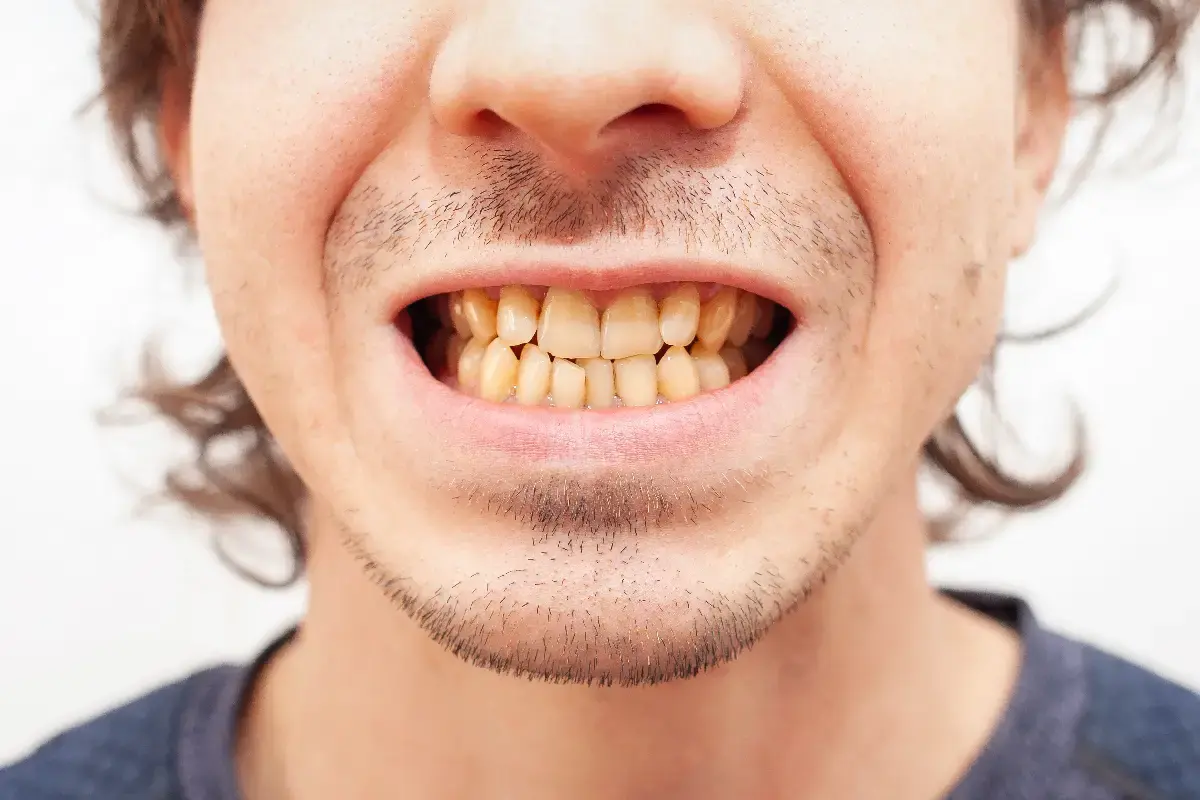
Seeing yellow stains on your teeth can be frustrating, especially when you brush regularly and still don’t have the bright smile you want. Before considering professional whitening, you may wonder whether natural methods can improve the appearance of your teeth at home.
The answer depends on what’s causing the discoloration. Simple habits can help reduce surface stains caused by foods, drinks, and tobacco, but home remedies cannot reverse enamel loss or remove deeper discoloration. Understanding the difference can help you choose a safer and more effective approach.
Why Do Teeth Develop a Yellow Appearance?
Teeth can look yellow for several reasons, and not all discoloration comes from the same source. In general, yellowing can be divided into two main categories.
- Surface stains: Coffee, tea, red wine, tobacco, and strongly pigmented foods can leave colored particles on the outer surface of the teeth. Over time, these stains can make your smile look darker or duller.
- Natural tooth color and enamel changes: Enamel becomes thinner with age, allowing more of the naturally yellow dentin underneath to show through. This type of discoloration cannot be scrubbed away because it isn’t simply sitting on the surface.
Understanding the difference is important. Home care may help with external staining, but it won’t restore enamel that has already become thinner or change the natural color of the dentin.
Simple Ways to Help Lift Surface Stains at Home
If you’re dealing primarily with mild surface discoloration, a few practical habits may help keep your teeth looking cleaner and brighter.
Brush With Fluoride Toothpaste
Brushing twice a day is one of the most reliable ways to remove plaque and surface buildup. Use a soft-bristled toothbrush and fluoride toothpaste, and brush gently rather than applying excessive pressure.
Scrubbing harder doesn’t necessarily make teeth whiter. In fact, aggressive brushing can contribute to enamel and gum damage over time.
Choose Crunchy, Tooth-Friendly Foods
Crunchy foods such as apples, carrots, and celery can increase saliva flow while you chew and may help remove some food debris from the teeth. They aren’t a replacement for brushing or professional cleaning, but they can be part of a healthy oral hygiene routine.
Rinse After Coffee, Tea, and Other Staining Drinks
You don’t necessarily have to give up your favorite drinks to protect your smile. Rinsing with water after coffee, tea, or other highly pigmented beverages can help wash away some of the residue before it has a chance to remain on your teeth.
Using a straw for certain cold drinks can also reduce direct contact with the front teeth.
Keep Up With Daily Flossing
Some discoloration isn’t simply sitting on the visible front surfaces of your teeth. Plaque and food particles can accumulate between teeth, making your smile appear less clean overall.
Flossing once a day helps remove buildup from areas a toothbrush cannot reach effectively.
Avoid Tobacco
Tobacco is a major contributor to yellow and brown tooth staining. Cutting back or quitting can help prevent additional discoloration while also supporting better overall oral health.
Natural Whitening Remedies That Deserve Caution
The internet is full of homemade whitening suggestions, but “natural” doesn’t automatically mean safe for your teeth.
Baking Soda
Baking soda has mild abrasive properties and can help remove some surface discoloration. However, using abrasive substances too frequently or brushing aggressively can damage enamel.
If you choose to use baking soda, moderation matters. It shouldn’t replace your regular fluoride toothpaste or become an aggressive daily scrubbing routine.
Hydrogen Peroxide
Hydrogen peroxide is used in many professionally formulated whitening products, but using concentrated or improperly prepared hydrogen peroxide at home can irritate the gums and mouth.
Rather than experimenting with strong mixtures, it’s safer to discuss whitening options with a dental professional.
Lemon Juice and Citrus Peels
This is one home remedy that’s best avoided. Lemon juice and other acidic substances can soften and erode tooth enamel. Once enamel is lost, it doesn’t grow back.
Ironically, damaging the enamel can make teeth appear more yellow, because the darker dentin underneath becomes more visible.
Activated Charcoal
Activated charcoal has become popular as a DIY whitening ingredient, but there isn’t strong evidence that it provides significant whitening benefits. Its abrasive nature also means frequent use may be harmful to enamel.
Everyday Habits That Can Keep Teeth Looking Brighter
Preventing new stains is often more useful than constantly trying to remove existing ones. A few simple habits can make a meaningful difference over time:
- Brush twice a day with fluoride toothpaste.
- Floss once daily.
- Rinse with water after coffee, tea, and staining foods.
- Limit prolonged contact between staining drinks and your teeth.
- Avoid tobacco products.
- Don’t brush immediately after acidic foods or drinks.
- Keep regular dental cleaning appointments.
These habits won’t dramatically change your natural tooth color, but they can help reduce plaque and surface staining while protecting your enamel.
When Should You Consider Professional Teeth Whitening?
Home care can help when yellowing is primarily caused by surface stains, but it can’t correct every type of discoloration. If your teeth remain yellow despite good oral hygiene, the cause may involve enamel thinning, intrinsic staining, aging, certain medications, or other changes within the tooth.
A dental professional can evaluate the source of the discoloration and determine whether professional whitening or another cosmetic option is appropriate. This can help you avoid spending time on home remedies that aren’t likely to address the actual cause.
If you’re unhappy with the color of your teeth despite maintaining good oral hygiene, contact your dental team to discuss your options for achieving a brighter smile safely.
Ready for a Brighter, More Confident Smile?
Natural habits can help control surface stains, but they aren’t a solution for every type of yellowing. The best approach depends on what’s causing the discoloration and the condition of your enamel.
If you’re looking for a noticeably brighter smile, talk with your dental team about safe whitening options that fit your teeth and goals. Visit Aspen Hill General and Cosmetic Dentistry in Silver Spring to discuss your smile goals and find out which approach may be right for you.
Frequently Asked Questions
1. Can I naturally remove yellow stains from my teeth?
Mild surface stains may improve with regular brushing, flossing, rinsing, and professional cleanings. Deeper discoloration usually requires a different treatment approach.
2. Does baking soda make yellow teeth whiter?
Baking soda may help remove some surface stains because it is mildly abrasive. However, excessive use can damage enamel, so it shouldn’t be used as a daily whitening treatment.
3. Why are my teeth still yellow even though I brush twice a day?
Your natural tooth color may be partly responsible. As enamel becomes thinner, the yellowish dentin underneath can become more visible, and brushing cannot reverse this change.
4. Should I use lemon juice to whiten my teeth?
No. Lemon juice is acidic and can erode enamel. Enamel loss can make teeth look even more yellow by exposing more of the underlying dentin.
5. Are home remedies better than professional teeth whitening?
Natural methods can help with minor surface stains, but professional whitening generally provides more noticeable results when appropriate for the patient.