

Preventive dental care plays an important role in maintaining healthy teeth and gums over time. Small concerns such as gum irritation, bad breath, tooth sensitivity, or oral discomfort are often the first signs that something in the mouth may need attention. Understanding how to properly care for these symptoms at home, while also knowing when professional care is necessary, can help prevent more serious dental problems later.
At Aspen Hill General & Cosmetic Dentistry, Dr. Goorah, Dr. McLaughlin, and the dental team provide complete dental care for patients throughout the Silver Spring area. From routine exams and professional cleanings to gum care, fillings, crowns, and smile restoration, the focus is on helping patients maintain long-term oral health through personalized care and early diagnosis.
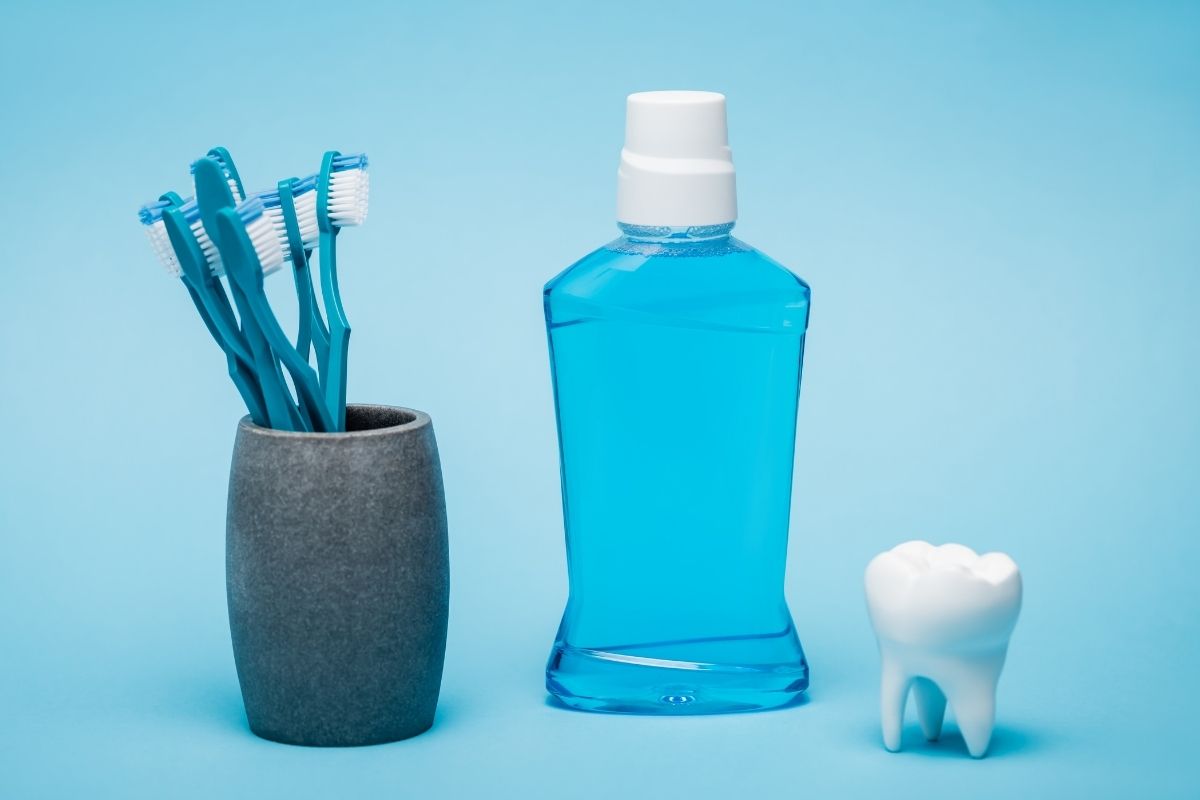
Many people use mouthwash as part of their daily routine, while others rely on warm salt water rinses for temporary relief after irritation or dental treatment. Although both are commonly used in oral care, they are not interchangeable solutions. Each serves a different purpose depending on the condition being treated and the patient’s oral health needs.
Why Oral Care Routines Matter More Than Most People Realize
Healthy teeth and gums depend on more than simply brushing twice a day. Preventive care involves maintaining habits that reduce plaque buildup, protect gum tissue, and help identify problems before they become more serious.
Rinses can sometimes support oral health, but they work best when combined with:
- Daily brushing and flossing
- Routine dental exams
- Professional cleanings
- Early treatment of symptoms
- Personalized oral hygiene recommendations
Understanding the role of different rinses helps patients avoid relying on temporary solutions when professional care may still be necessary.
What Salt Water Rinses Actually Help With
Salt water rinses have been used for generations because they are simple, gentle, and easy to prepare at home.
A warm salt water rinse may help:
- Soothe mild gum irritation
- Reduce temporary inflammation
- Support healing after certain dental procedures
- Loosen food debris around irritated tissues
- Help the mouth feel cleaner temporarily
Salt water creates an environment that may help reduce bacteria while calming irritated soft tissues inside the mouth.
However, salt water is considered supportive care rather than a replacement for professional dental treatment or daily oral hygiene.
Situations Where Dentists May Recommend Salt Water Rinses
Dentists often recommend salt water rinses for short-term use after:
- Tooth extractions
- Mild gum irritation
- Minor mouth sores
- Certain dental procedures
- Soft tissue inflammation
In these situations, the purpose is usually to help keep the area clean while supporting natural healing.
Salt water is generally mild and may feel more comfortable for sensitive tissues compared to some stronger rinses.
Understanding the Different Types of Mouthwash
Mouthwash serves different purposes depending on the ingredients and type of rinse being used.
Some mouthwashes are cosmetic and mainly help freshen breath temporarily. Others are therapeutic and formulated to support oral health more directly.
Depending on the product, mouthwash may help:
- Reduce plaque buildup
- Freshen breath
- Deliver fluoride to teeth
- Support gum health
- Reduce harmful oral bacteria
Not all rinses are appropriate for every patient. Some are intended for daily use, while others are designed for short-term treatment under professional guidance.
Mouthwash vs. Salt Water: Which One Is Better?
Not necessarily.
Mouthwash and salt water work differently, so neither is automatically better than the other in every situation.
Salt water is often preferred for:
- Temporary soothing
- Mild irritation
- Healing support after procedures
Therapeutic mouthwash may be more appropriate when targeting:
- Plaque accumulation
- Gum inflammation
- High cavity risk
- Persistent bad breath
- Bacterial control
The right option depends on the reason the rinse is being used.
Our team often helps patients understand that oral care products should be selected based on individual dental needs rather than marketing claims or trends.
Why Mouthwash Cannot Replace Dental Care
One of the most common misconceptions is that mouthwash can replace brushing, flossing, or professional dental care.
Even antibacterial rinses cannot remove hardened plaque or fully treat underlying problems, such as:
- Cavities
- Gum disease
- Cracked teeth
- Dental infections
- Advanced plaque buildup
Some patients repeatedly use mouthwash to manage bad breath or gum irritation without realizing that an untreated dental issue may still be present underneath.
Persistent symptoms should always be evaluated professionally rather than simply masked with rinses alone.
Can Salt Water Be Used Instead of Mouthwash?
Salt water may temporarily soothe irritation, but it does not contain the active ingredients found in many therapeutic mouthwashes.
For example, salt water does not:
- Strengthen enamel with fluoride
- Specifically target plaque biofilm
- Provide long-term cavity prevention
- Treat periodontal disease
Because of this, salt water is generally considered a short-term supportive rinse rather than a complete oral hygiene solution.
Are Alcohol-Based Mouthwashes Bad for Some Patients?
Not always.
Some alcohol-containing rinses may contribute to:
- Dry mouth
- Burning sensations
- Tissue irritation
- Increased sensitivity in some patients
For individuals with dry mouth or sensitive gums, alcohol-free options may feel more comfortable and appropriate.
Choosing the right rinse depends on several factors, including:
- Gum health
- Tooth sensitivity
- Existing dental work
- Cavity risk
- Overall oral condition
A professional dental evaluation can help determine which products are appropriate for a patient’s specific needs.
What Dentists Usually Focus on Most for Healthy Teeth and Gums
Most dentists focus less on choosing between salt water and mouthwash alone and more on maintaining a complete preventive care routine.
That typically includes:
- Brushing twice daily
- Daily flossing
- Routine dental exams
- Professional cleanings
- Personalized hygiene recommendations
- Addressing symptoms early
Rinses are best viewed as supportive tools rather than standalone treatments.
For many patients, the most effective approach combines good home care habits with regular preventive dental visits that help identify problems before they become more serious.
Signs Your Symptoms May Need Professional Attention
Temporary irritation may improve with home care, but certain symptoms should not be ignored.
A dental evaluation may be important if you notice:
- Persistent bad breath
- Bleeding gums
- Ongoing tooth sensitivity
- Gum swelling
- Mouth sores that do not heal
- Pain while chewing
- Repeated irritation in the same area
Early diagnosis often helps prevent more complex dental problems later.
When Home Remedies Are No Longer Enough
If you are experiencing ongoing gum irritation, tooth sensitivity, persistent bad breath, or discomfort that is not improving with home care, a professional dental evaluation can help identify the underlying cause. The team at Aspen Hill General & Cosmetic Dentistry provides comprehensive dental care focused on prevention, diagnosis, and long-term oral health for patients in the Silver Spring area. Contact our office to schedule an appointment and discuss the best approach for keeping your smile healthy and comfortable.
Choosing the Right Oral Care Routine for Long-Term Dental Health
Mouthwash and salt water rinses can both support oral hygiene when used appropriately, but they serve different purposes and should not replace regular dental care. Understanding when each option may be beneficial helps patients make more informed decisions about their oral health and recognize when symptoms may require professional attention.
Long-term oral health depends on consistent preventive care, proper hygiene habits, and addressing concerns early before they progress into more serious conditions.