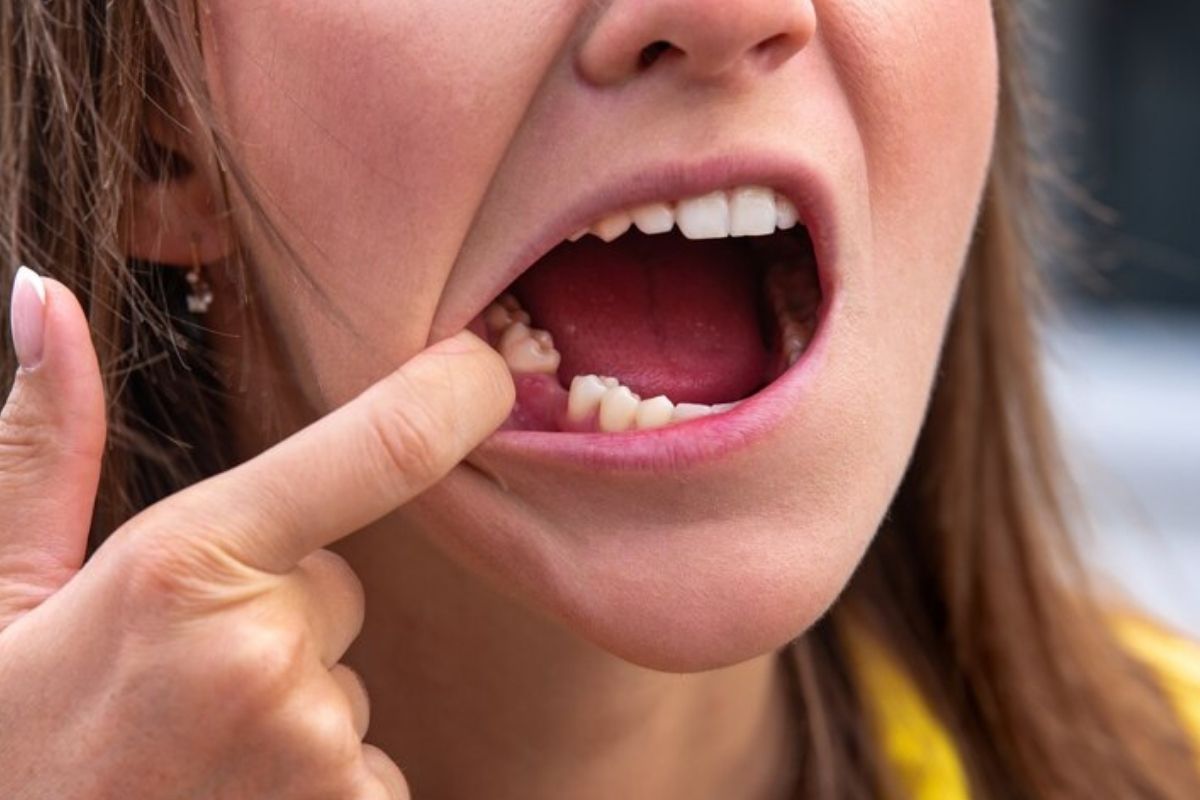


If you’re considering replacing one or more missing teeth, dental implants stand out as a highly durable and reliable solution. A common question patients ask is, “How long will my dental implants last?” The reassuring answer is that, with proper care, implants can endure a lifetime, making them an excellent long-term investment in your oral health and smile aesthetics.
At Aspen Hill General and Cosmetic Dentistry in Silver Spring, we prioritize empowering our patients with comprehensive information to make informed dental care decisions. In this blog, we’ll cover the lifespan of implants, the factors that influence their longevity, and how to maintain them for years to come.
What Are Dental Implants?
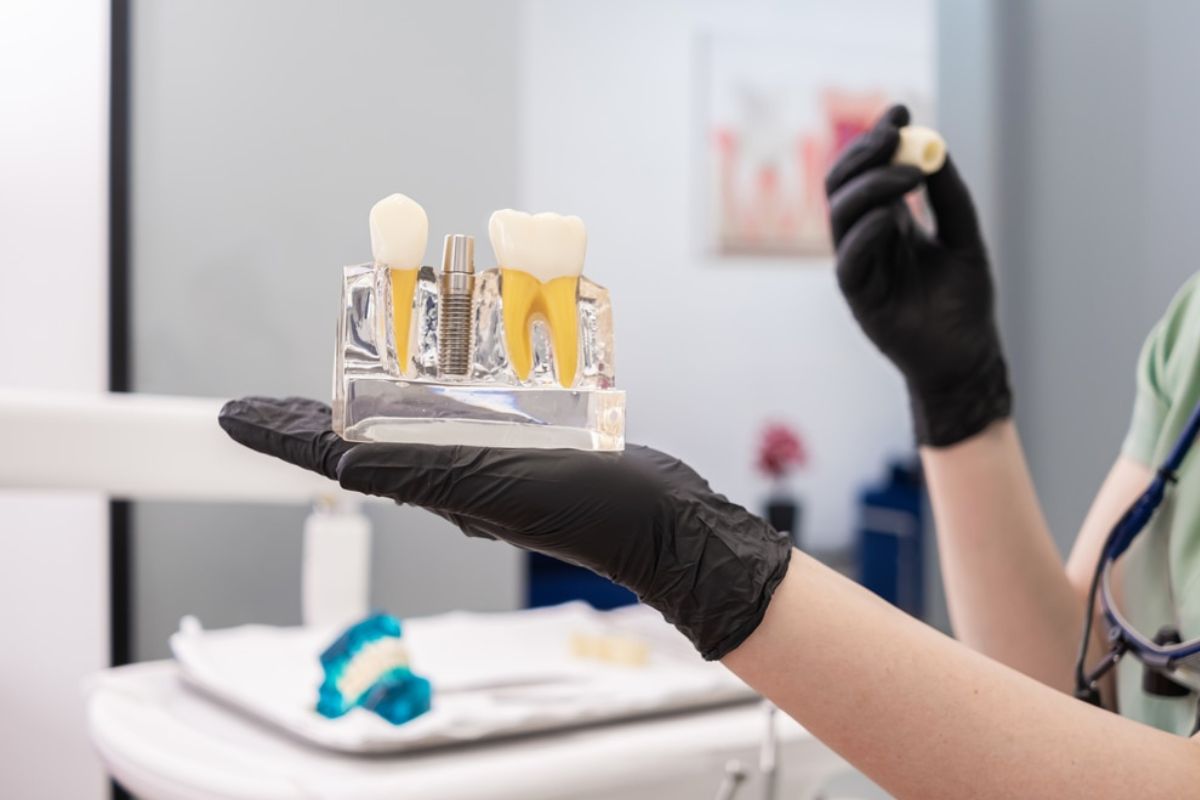
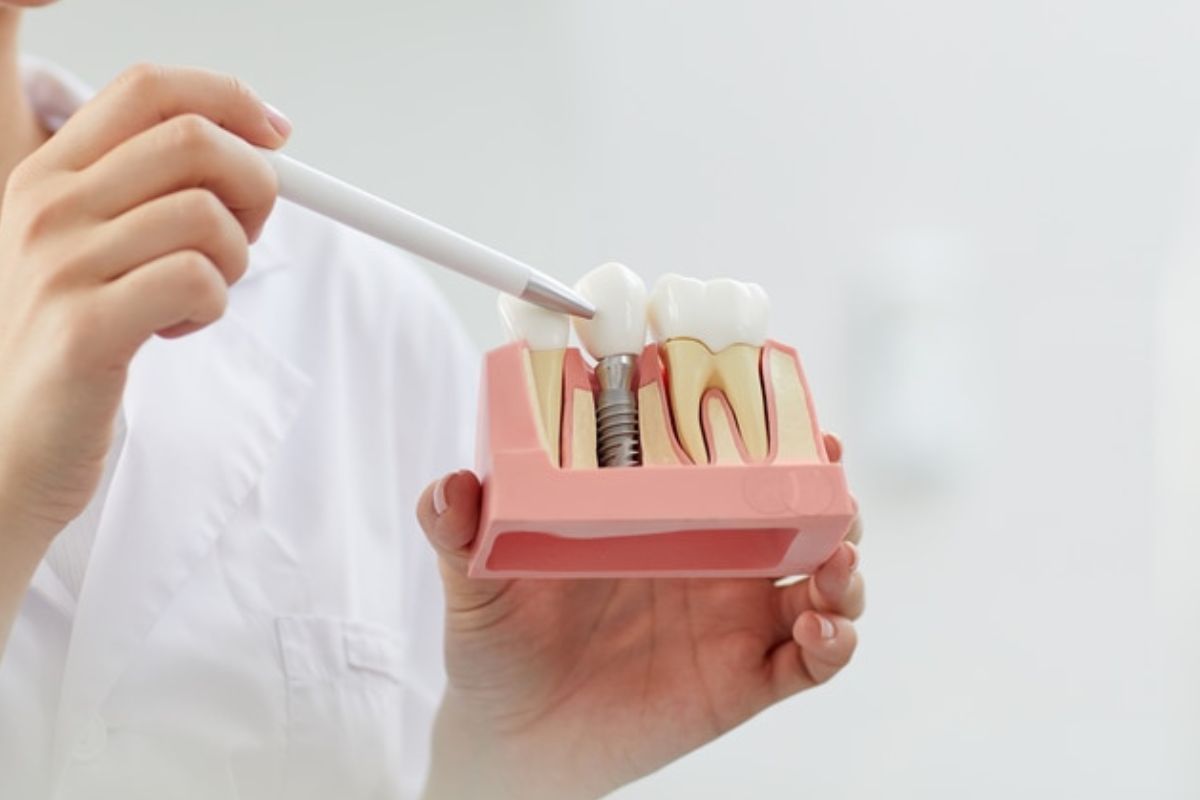
A dental implant is a small, biocompatible titanium post surgically inserted into the jawbone. This post acts as an artificial tooth root, providing a robust and stable foundation for a custom-made dental crown, bridge, or denture. Through osseointegration, a natural process, the implant fuses with the bone, ensuring a secure and permanent fit.
Longevity of Dental Implants
While the implant post is designed for lifelong durability with proper care, the visible restoration, such as the crown, may require replacement every 10 to 15 years due to normal wear and tear.
Here’s a typical lifespan breakdown of implant components:
- Implant Post: 25+ years, often lasting a lifetime.
- Abutment (Connector): 15-20 years.
- Crown (Restoration): 10-15 years, depending on care and usage.
With meticulous oral hygiene and regular dental visits, many patients experience no issues with the implant post itself.
Factors Affecting Implant Longevity
Several factors can influence the longevity of your dental implant:
- Oral Hygiene: Consistent brushing, flossing, and professional cleanings are vital for preventing gum disease.
- Overall Health: Conditions like diabetes or osteoporosis can compromise bone health and healing.
- Tobacco Use: Smoking significantly elevates the risk of implant failure.
- Bite Alignment: Excessive pressure from misaligned teeth or bruxism can damage implants.
- Dietary Habits: Avoid chewing on hard objects such as ice, pens, or fingernails.
The Value of Dental Implants as an Investment
While the initial cost of implants may exceed that of other tooth replacement options, their long-term durability and benefits make them a cost-effective investment.
Advantages of Dental Implants:
- Bone Preservation: Implants stimulate the jawbone, preventing bone resorption associated with tooth loss.
- Natural Aesthetics: They replicate the look, feel, and function of natural teeth.
- Preservation of Adjacent Teeth: Unlike traditional bridges, implants do not rely on adjacent teeth for support.
- Enhanced Confidence: A complete, healthy smile boosts self-esteem and quality of life.
Caring for Your Dental Implants
Maintaining your implants is straightforward and similar to caring for your natural teeth:
- Brush Twice Daily: Use a soft-bristled toothbrush and fluoride toothpaste.
- Floss Daily: Consider using implant-safe floss or a water flosser for effective plaque removal.
- Regular Dental Check-Ups: Visit our Silver Spring office for professional cleanings and examinations.
- Avoid Harmful Habits: Refrain from using your teeth as tools and limit chewing hard foods.
Aspen Hill General and Cosmetic Dentistry: Your Partner in Dental Implants
For dental implants in Silver Spring, choose the experienced team at Aspen Hill General and Cosmetic Dentistry. Our skilled professionals utilize advanced technology and personalized treatment plans to ensure optimal outcomes for every patient.
Schedule a consultation today to discover how implants can restore your smile and enhance your quality of life.