

When a tooth is knocked out, every second counts. Dental trauma can happen suddenly from a sports injury, a fall, or even an accident at home. Many patients wonder whether a tooth can truly be saved once it has been completely dislodged. The answer is yes, if swift action is taken. Want to know the steps to take, what treatment looks like, and how timely professional care makes all the difference? Read this blog further for comprehensive information.
Why Time Is Critical During a Knocked-out Tooth?
This condition, also known as an avulsed tooth, has the best chance of survival if re-implanted within 30 to 60 minutes. After that window, the tooth’s root surface cells start to die, making reattachment harder. Quick transport to a dentist is just as important as handling the tooth correctly in those first few moments.
First Aid Steps for a Knocked-Out Tooth Before Reaching a Dentist
If your tooth is knocked out, the way you handle it before reaching a professional makes a huge difference. Follow these steps carefully:
- Pick up the tooth by the crown. Always grasp the tooth by the white chewing surface (the crown), never the root. Touching the root can damage delicate tissue fibers that are vital for reattachment.
- Gently rinse with milk or saline. If the tooth is dirty, give it a light rinse in cold milk or a saline solution. Do not scrub, scrape, or use soap, as this can destroy the living cells that help the tooth bond back to the socket.
- Try reinserting it in the socket. If you feel confident, gently place the tooth back into its original position. Bite down softly on a piece of clean gauze or cloth to hold it in place. This step can give the dentist the best chance of saving the tooth.
- Keep it moist if reinsertion isn’t possible. A tooth that dries out for more than 15 minutes is at serious risk of being lost. Place it in a container of milk, saline, or even inside your cheek to keep it moist until you reach professional care. Never store it in plain water, as this can damage root cells.
- Head straight to an emergency dentist. Time is critical. The sooner you get to a dentist, the higher the chances of reimplantation success. Ideally, you should be in a dental office within 30 to 60 minutes.
What Happens at the Dental Office During an Oral Mishap?
Evaluation and Reimplantation
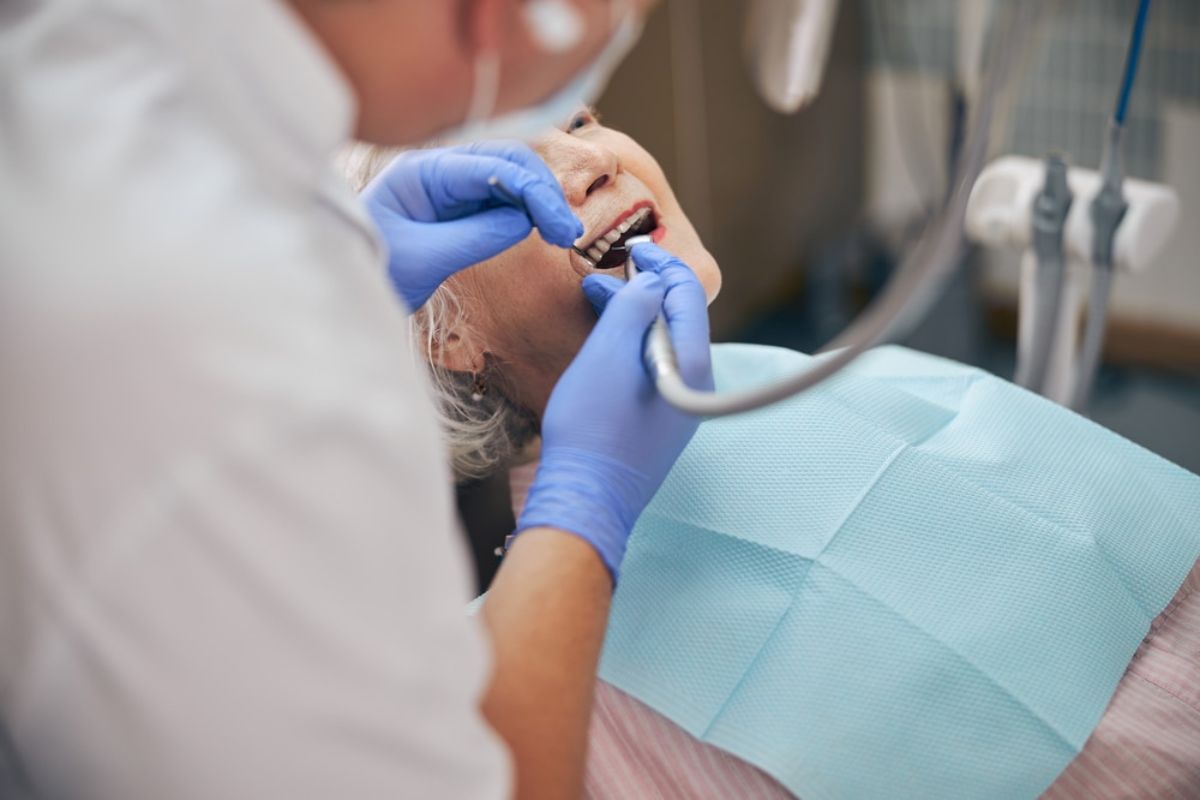
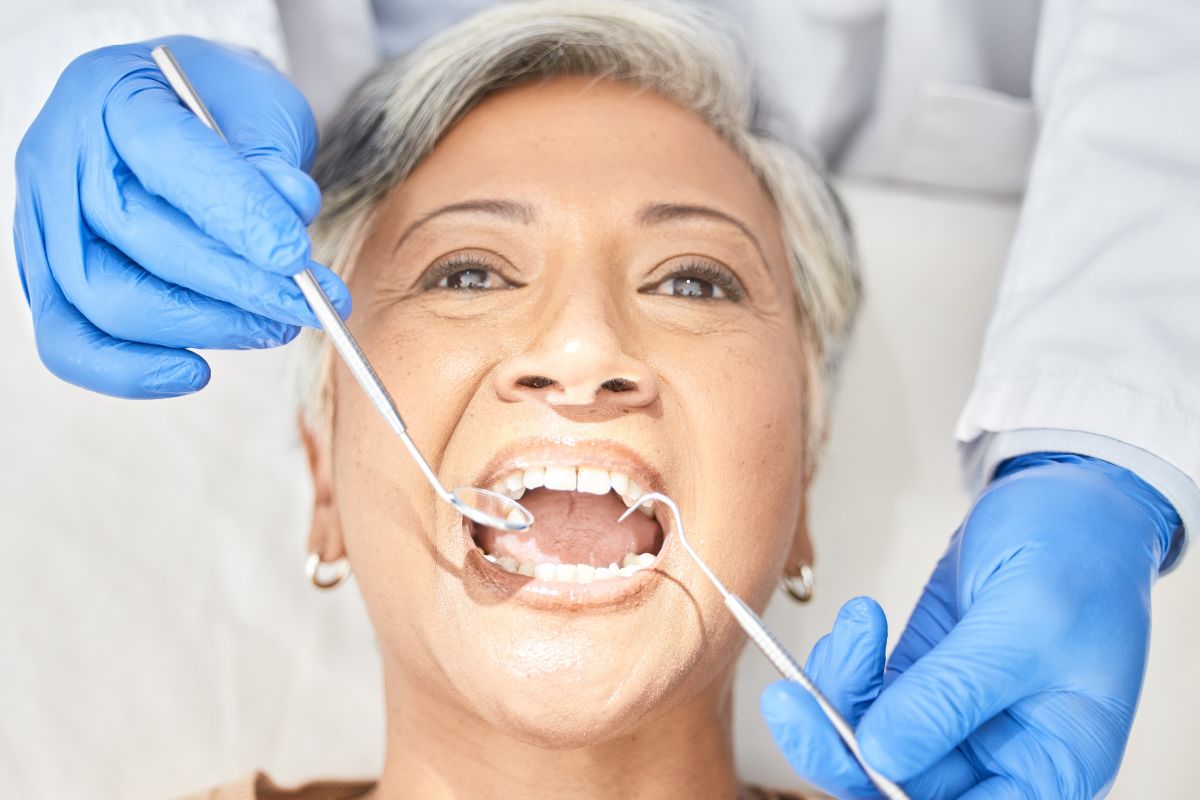
A dentist first examines the tooth and socket, ensuring there are no fractures or deep tissue damage. If the tooth is intact and viable, it is repositioned into the socket. Patients who arrive promptly often see excellent results, even in cases of severe trauma. This is because immediate attention keeps the tooth healthy enough for reattachment.
Stabilization with Splints
After reimplantation, a flexible splint may be placed to anchor the tooth to its neighbors. This helps stabilize it for healing and reintegration. In urban areas, like seeing an emergency dentist in Silver Spring, having access to such advanced stabilization techniques within the first hour makes the difference between saving and losing a tooth.
Follow-Up Care
Root canal therapy is often required after reimplantation, particularly for adult teeth. This treatment prevents infection and increases the tooth’s long-term success. Your dentist will schedule follow-ups to monitor progress and ensure the tooth remains functional.
Can Every Knocked-Out Tooth Be Saved?
Not all avulsed teeth can be reimplanted. Factors such as the length of time the tooth has been outside the mouth, contamination, and the patient’s age influence outcomes. Children’s primary teeth are usually not reimplanted, since doing so can affect developing permanent teeth. Still, rapid access to emergency dental care ensures the right decision is made quickly and preserves overall oral health.
Preventing Tooth Loss in Emergencies
Prevention is always better than treatment. A few precautions can help lower your risk of permanent tooth loss:
- Wear a mouthguard. Athletes and active adults should protect their teeth during contact sports and high-impact activities.
- Strengthen your smile with routine care. Teeth free of decay and gum disease are less vulnerable to trauma.
- Maintain regular checkups. Routine visits allow your dentist to identify risks early and provide guidance on keeping teeth strong.
Prompt Action Can Save Your Natural Smile
A knocked-out tooth does not always mean it’s gone for good. Quick action, proper handling, and immediate access to professional treatment are what give patients the best chance at preserving their natural smile.
At Aspen Hill General and Cosmetic Dentistry, we’re here to handle emergencies with expertise and compassion. If you or a loved one experiences dental trauma, don’t wait; call our office immediately. Schedule your emergency visit today and let our dedicated team restore your peace of mind.
FAQs
How soon should I see a dentist after a tooth is knocked out
Within 30 to 60 minutes is best. The sooner you get care, the higher the chance of saving the tooth.
Can a knocked-out tooth always be saved?
Not always. Success depends on how quickly you act, how the tooth is stored, and whether root damage occurred.
What’s the best way to transport a knocked-out tooth?
Keep it moist in milk, saline solution, or inside your cheek. Avoid plain water.
Should I try putting the tooth back in myself?
Yes, if possible. Gently place it back in the socket and bite on gauze until you reach a dentist.
What if a child’s baby tooth is knocked out?
Baby teeth are usually not reimplanted. A dentist will check the area to protect the developing permanent teeth.